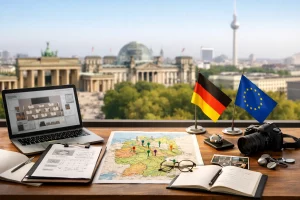
A premium event should never feel like a compromise. The strongest sustainable events do not ask guests to accept less comfort, less creativity, or less hospitality. They use sharper planning to reduce unnecessary impact while protecting the details attendees remember: an exceptional venue, effortless arrivals, thoughtful dining, and a program with genuine local character.
For corporate meetings, incentives, conferences, and gala dinners in Germany, sustainability is increasingly part of the brief. It is also a practical operating discipline. Decisions made at the concept stage affect transport miles, food waste, supplier choices, energy use, and the volume of materials left behind after the final guest departs. The goal is not a perfect claim of zero impact. It is a well-managed event that makes responsible choices where they matter most.
Start sustainable events with the right priorities
A credible approach begins with the event’s purpose, audience, and non-negotiables. A leadership retreat for 25 international delegates requires a different strategy from a 1,500-person annual convention. The venue, travel profile, program format, budget, and reporting expectations all shape what is possible.
Rather than adding a few visible green touches late in the process, define a small number of measurable priorities from the beginning. For many corporate programs, those priorities are reducing ground transportation, selecting a venue with documented environmental practices, minimizing single-use materials, and designing menus around seasonal ingredients. A client with formal ESG reporting requirements may also need supplier data, waste estimates, and an event footprint calculation.
This focus prevents a common problem: spending budget on symbolic gestures while overlooking the larger sources of impact. Reusable water bottles are useful, for example, but they do not offset an inefficient transfer plan, excessive printed collateral, or a menu built around ingredients transported across continents.
Choose venues that support responsible delivery
Germany offers an unusually broad range of event settings, from modern congress centers and design hotels to historic castles, industrial landmarks, vineyards, and lakeside retreats. The most memorable venue is not automatically the most appropriate one. Location and operations deserve as much attention as aesthetics.
A well-connected property near rail services, airports, or a walkable city center can substantially reduce the need for private vehicle transfers. In Berlin, Munich, Frankfurt, Hamburg, and Cologne, proximity to public transit often improves both the attendee experience and the sustainability profile. Guests spend less time in traffic, arrivals are easier to manage, and the program can feel more relaxed.
During venue sourcing, assess practical details alongside the ballroom capacity and guest-room inventory. Ask how the property manages energy and water, whether waste is separated backstage as well as front of house, how food donations are handled, and whether the in-house team can accommodate reusable serviceware and digital signage. Certifications can provide useful evidence, but they should not replace a detailed operational conversation.
Historic venues require particular care. Their atmosphere may be unmatched, yet limitations around power, heating, accessibility, loading, and waste collection can influence both cost and impact. With realistic production planning and experienced local coordination, these challenges can be managed without diminishing the sense of occasion.
Make travel and mobility part of the event design
For international groups, air travel may be unavoidable. The practical opportunity is to reduce unnecessary journeys before and after the flight, then organize local movement with precision. Selecting a destination with strong rail connections, clustering activities by neighborhood, and avoiding repeated hotel-to-venue transfers can make a meaningful difference.
An incentive itinerary should not be built around long coach journeys simply to fill time. Better programming places a private museum reception, guided neighborhood experience, dinner, and hotel within a logical geographic flow. It protects guest energy as well as reducing mileage.
For larger groups, shared coach transfers can be more efficient than individual cars, provided routing and flight schedules are intelligently consolidated. For executive groups, electric vehicles may be appropriate when charging infrastructure and route lengths support them. The right solution depends on group size, luggage requirements, accessibility needs, and arrival patterns. Premium service means choosing transport that works reliably, not applying a one-size-fits-all rule.
Rail can also become part of the experience. First-class rail journeys between German cities offer comfort, productivity, and a lower-impact alternative for regional delegates. Clear pre-event instructions, reserved seating where applicable, and attentive arrival support are essential. Sustainable choices only succeed when they remain easy for guests.
Design catering around quality, not excess
Food is one of the most visible expressions of hospitality, and it is an area where responsible planning can genuinely enhance the guest experience. Seasonal German produce, regional specialties, plant-forward menus, and carefully selected local wines or nonalcoholic pairings can create a stronger sense of place than an overly broad international buffet.
This does not mean every menu must be vegetarian or that luxury dining is off the table. It means giving chefs a clear brief: prioritize seasonal ingredients, offer attractive plant-based choices by default, source responsibly where possible, and avoid excessive variety that leads to waste. A refined seated dinner with accurate attendance numbers can be more sustainable, and often more memorable, than a lavish buffet designed for every possible preference.
Accurate registration data is particularly valuable. Dietary requirements, confirmed attendance, and realistic no-show assumptions allow caterers to plan production with greater confidence. Where local regulations and venue policies permit, arrangements for safe redistribution of untouched food can also be considered. Back-of-house coordination matters as much as the menu description presented to guests.
Reduce materials without making the event feel digital-only
Paperless registration, digital agendas, QR-accessible event information, and reusable directional signage can significantly reduce printed materials. But digital should serve the attendee, not create friction. A senior executive audience may still appreciate a concise printed schedule, while an international congress may require clearly visible physical wayfinding across a complex venue.
The best approach is selective. Print only what guests truly need, use durable modular signage that can be repurposed, and avoid dated items that become waste the moment a session time changes. Replace giveaway tables filled with generic branded products with a more considered welcome gift, a locally made item, or an experience that supports the destination.
Production choices deserve the same discipline. Work with suppliers who can provide reusable stage elements, rental furniture, energy-efficient lighting, and sensible delivery schedules. Elaborate builds may be justified for a flagship brand launch or awards evening, but their materials should be specified with reuse, recovery, and safe disposal in mind from the creative stage onward.
Build local value into the guest program
A sustainable event should leave value in the destination, not merely pass through it. Germany’s cities and regions offer rich opportunities to work with local guides, family-run producers, artists, cultural institutions, and specialist hosts. These partnerships create experiences with more depth than standard group entertainment while keeping spend closer to the communities welcoming your guests.
Consider a private after-hours museum visit supported by a curator, a culinary workshop with a regional producer, or a team activity designed around restoration, craft, or local heritage. The activity must still suit the group and meet corporate expectations for safety, timing, and quality. Purposeful programming is not an excuse for poorly produced programming.
Local sourcing also strengthens contingency planning. Suppliers with established destination knowledge can respond more quickly to weather changes, traffic disruptions, venue restrictions, and last-minute attendee requests. Responsible event design and operational resilience often reinforce each other.
Measure what matters and communicate honestly
Clients increasingly need evidence of their event decisions, particularly when sustainability commitments form part of internal reporting. Capture practical information throughout planning: delegate travel modes where available, hotel nights, transfer distances, catering selections, materials used, and waste arrangements. The level of detail should match the event’s scale and reporting needs.
Avoid broad claims that cannot be verified. An event may have reduced waste, prioritized regional catering, or chosen rail-friendly locations without being fully carbon neutral. Clear language is more credible than ambitious labels. If emissions are calculated or offset, document the methodology and explain the scope rather than treating the result as a marketing statement.
My German DMC approaches these decisions as part of complete destination management: aligning inspiring venues, reliable suppliers, guest logistics, and responsible choices in one precisely managed program. The outcome should be an event that feels effortless to attendees and accountable to the organization behind it.
The most effective sustainable event is not defined by a recycled lanyard or a single certification. It is defined by intelligent choices made consistently, from the first venue shortlist to the final departure transfer. Set clear priorities early, appoint partners who understand the destination in detail, and let every operational decision support both the guest experience and the standards your organization intends to uphold.