A strong incentive program is rarely remembered for the airport transfer or the room block. It is remembered for the moment the group steps into a venue that changes the energy of the trip, the dinner everyone talks about on the flight home, and the sense that every detail was handled with precision. That is why choosing the best cities for incentive groups is not simply a destination decision. It is a business decision that affects motivation, attendance, brand perception, and operational risk.
For corporate planners, procurement teams, and agencies, the right city needs to do two jobs at once. It must deliver genuine impact for attendees while also supporting flawless execution behind the scenes. Attractive scenery alone is not enough. Direct air access, hotel quality, private venues, transportation flow, seasonal reliability, and local supplier strength matter just as much.
What makes the best cities for incentive groups
The best incentive destinations tend to share a few characteristics. They offer a clear sense of place, strong hospitality infrastructure, and enough flexibility to support both structured corporate programming and memorable leisure experiences. Just as important, they allow planners to create a program that feels exclusive rather than generic.
In practice, this means looking beyond headline attractions. A city may be globally famous yet difficult for group logistics, or beautiful but limited in premium inventory during peak season. The strongest destinations balance emotional appeal with operational discipline.
Berlin
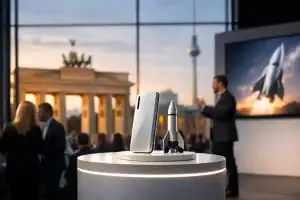
Berlin works especially well for incentive groups that want energy, contrast, and range. Few European capitals can move as easily between high-design rooftop receptions, historic landmarks, contemporary art spaces, and serious conference infrastructure. For international companies, that mix allows a program to feel culturally rich without losing business efficiency.
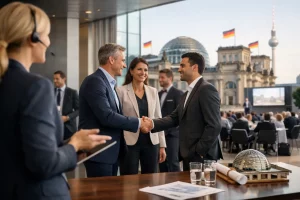
What makes Berlin particularly strong is its flexibility. A group can start with a polished executive meeting, transition into a private museum evening, and end with a gala in a venue that feels distinctly local rather than corporate. The city also supports diverse attendee profiles. Senior leadership teams, sales achievers, and international distributors can all find something relevant here.
The trade-off is scale. Berlin is expansive, and transfers need careful timing. A well-built program solves that with smart zoning, realistic agendas, and venue selection that reduces unnecessary movement.
Munich
If the goal is premium hospitality with a polished business atmosphere, Munich remains one of the safest choices in Europe. It offers strong air access, excellent hotels, refined dining, and a city image closely associated with quality and prosperity. Incentive groups often respond well to Munich because it feels elevated without being overstated.
The city is also highly versatile. Traditional Bavarian experiences can be done with sophistication rather than cliché, and the surrounding region adds real depth. Alpine excursions, lake settings, exclusive automotive experiences, and elegant historic venues can all sit comfortably within one itinerary.
Munich is especially effective for groups where comfort, service standards, and executive-level presentation matter. Costs can be higher than in some competing destinations, but for many brands the return comes in consistency and the premium feel of the experience.
Hamburg
Hamburg is often underestimated, which is precisely why it performs so well for incentive travel. It has stature, style, and maritime character, but it feels more curated than obvious. For companies looking to impress a well-traveled audience, that matters.
The city’s waterfront setting creates immediate atmosphere. Harbor cruises, private dinners with skyline views, warehouse district experiences, and elegant hotels combine well with a strong business environment. Hamburg also handles logistics efficiently, which planners appreciate once the program becomes more complex.
This is a strong choice for groups that want sophistication without the pace of a capital city. It is less about spectacle and more about quality. When designed well, Hamburg feels exclusive and confident.
Frankfurt
Frankfurt may not be the first city people imagine for incentive travel, but that is often a mistake. For short-haul international groups, high-performing sales teams, or programs attached to meetings and conventions, Frankfurt is exceptionally practical. Its airport connectivity is one of its greatest strengths, especially when arrivals come from multiple markets.
The city works best when planners lean into what it does well: efficiency, upscale business hotels, strong dining, and access to distinctive offsite experiences in the surrounding region. River settings, wine country extensions, and private events in historic properties can add the emotional layer that the central business district alone may not provide.
Frankfurt is not the most romantic option, but it can be one of the most effective. For some groups, convenience is not a compromise. It is the reason attendance is higher and execution is cleaner.
Cologne
Cologne offers warmth, accessibility, and a social atmosphere that suits incentive groups very well. The city is known for its welcoming character, and that translates into programs that feel lively and relaxed without sacrificing professionalism. It is especially useful for companies that want strong group interaction rather than a highly formal tone.
Its event potential is broader than many expect. Historic settings, riverfront experiences, modern hotels, and easy movement within the city give planners room to build creative agendas. Cologne also pairs well with nearby destinations, which can be valuable for hybrid programs or multi-city routing.
For groups that prioritize glamour above all else, other cities may feel more high-profile. But for engagement, charm, and smooth logistics, Cologne is a very dependable choice.
Düsseldorf
Düsseldorf is one of the sharpest options for luxury-oriented incentive groups. It is compact, stylish, and particularly strong for fashion, design, fine dining, and polished corporate entertainment. The city appeals to brands that want an upscale environment with a contemporary edge.
From a planning perspective, its compact layout is a real advantage. Travel times are manageable, premium venues are accessible, and the guest experience feels well controlled. This is useful when every touchpoint needs to reflect brand quality.
Düsseldorf may not offer the broad tourist recognition of Berlin or Munich, but that can work in its favor. For many corporate audiences, it feels selective rather than mainstream.
Vienna
Beyond Germany, Vienna deserves serious consideration among the best cities for incentive groups. It combines imperial grandeur with efficient infrastructure, and it does so in a way that feels naturally suited to high-end corporate travel. The city is elegant, organized, and deeply experienced in hosting international events.
Vienna is ideal for programs that need a prestigious setting. Palaces, concert halls, refined hotels, and strong culinary options create immediate impact. Yet the city also functions well operationally, which is where it stands apart from destinations that are visually impressive but harder to manage.
For incentive buyers seeking classic European sophistication, Vienna is a strong contender. The main consideration is tone. It suits brands that want elegance and substance more than informality or nightlife-led energy.
Prague
Prague remains compelling because it delivers visual impact quickly. Few cities create such a strong first impression for international attendees. Historic streets, dramatic architecture, and atmospheric venues make it easy to build a memorable program.
For incentive groups, that translates into excellent gala settings, engaging walking experiences, and a destination that feels rewarding even on a shorter schedule. It is particularly effective for groups with mixed travel experience, where the city itself becomes part of the incentive value.
That said, popularity brings pressure. Peak periods can mean crowded public areas and tighter venue availability. Strong local planning is essential to protect exclusivity and keep the experience premium.
Barcelona
Barcelona offers a very different kind of incentive value. It is expressive, social, and naturally suited to celebratory group travel. Architecture, Mediterranean dining, beach access, and a dynamic event scene give planners many ways to create momentum.
This city works well for sales incentives, partner rewards, and groups that respond to high energy and visible lifestyle appeal. It can support everything from strategic meetings to immersive evening programs with very little friction.
The key is balance. Barcelona can easily become too leisure-driven if the program lacks structure. For corporate groups, the strongest results come from pairing standout experiences with disciplined scheduling and carefully selected venues.
Lisbon
Lisbon has become one of the smartest choices for incentive planners who want charm, value, and variety. The city feels fresh, photogenic, and welcoming, while still offering solid hospitality infrastructure and strong programming potential. It is particularly attractive for companies looking for a European destination that feels distinctive without becoming overly complex.
The city lends itself to layered itineraries. Historic neighborhoods, waterfront events, culinary experiences, and day trips to nearby coastal settings create a program with texture. Lisbon also tends to feel more relaxed than some major capitals, which many attendees appreciate.
Its hills and historic layout require some transport planning, especially for larger groups or attendees with mobility considerations. With proper coordination, however, Lisbon delivers an excellent balance of atmosphere and value.
Choosing the right city for your group
There is no single answer to the best cities for incentive groups because the right destination depends on what the program is meant to achieve. If the priority is prestige and polish, Munich or Vienna may lead. If the objective is creative energy and urban variety, Berlin is hard to ignore. If ease of arrival matters most, Frankfurt becomes highly attractive. If the group wants style with a more selective feel, Hamburg or Düsseldorf may be the better fit.
This is where destination expertise matters. A city should not be chosen on reputation alone. It should be chosen on fit — with your audience, your budget, your timing, your event format, and the experience you want attendees to carry back into the workplace. My German DMC approaches that process with the same standard we bring to program delivery: bespoke planning, local precision, and high-class services designed around results.
The best incentive city is the one that makes your guests feel rewarded while making your planning team feel fully in control.