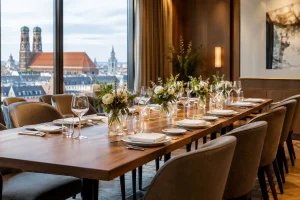
A convention can look effortless to guests only when hundreds of operational decisions have already been made, tested, and assigned. A well-built convention logistics checklist gives planners control over those decisions: from the first airport arrival to the final departure transfer, every movement, message, and supplier handoff has an owner.
For international conventions in Germany, logistics are rarely one-size-fits-all. A Berlin congress with delegates arriving through multiple airports requires a different transport model than a leadership convention centered around a Munich hotel. The goal is not simply to create a schedule. It is to create a dependable operating plan that protects the guest experience when flights change, sessions overrun, or an unexpected weather disruption affects the program.
Start With the Operational Brief
Before sourcing a venue or confirming room blocks, establish the information that shapes every subsequent decision. Define the attendee profile, estimated numbers by day, arrival markets, accessibility requirements, security expectations, budget parameters, and program objectives. A sales convention, for example, may need high-capacity plenary production and energetic networking zones, while an association meeting may place greater value on breakout capacity, registration efficiency, and exhibition flow.
Build the event timetable around real movement times, not optimistic estimates. Allow for airport arrivals, hotel check-in peaks, security procedures, elevator capacity, coat checks, and the walk between session spaces. In historic venues or city-center properties, these details can materially affect the program. A striking venue that takes guests’ breath away still needs sufficient loading access, reliable technical infrastructure, and a practical guest journey.
Assign one accountable lead for each operational area. Suppliers should know exactly who approves changes, receives escalation calls, and signs off on delivery. A single-source local partner can be especially valuable here, coordinating venue teams, hotels, transportation providers, production crews, and guest services under one clear command structure.
Convention Logistics Checklist: Venue and Production
The venue is the operational center of the convention. Confirm its capabilities in detail rather than relying on a floor plan or standard proposal. Site inspections should follow the journey of an attendee, a speaker, an exhibitor, and a supplier.
Use this checklist to verify the essentials:
- Confirm contracted spaces, access hours, setup and breakdown windows, capacities, and exclusive-use arrangements.
- Review room layouts, seating plans, stage sightlines, wayfinding, accessibility routes, restrooms, cloakrooms, and queueing areas.
- Confirm power supply, Wi-Fi performance, dedicated bandwidth, audiovisual specifications, backup equipment, and technical support hours.
- Establish loading dock access, vehicle restrictions, freight elevator dimensions, delivery labels, storage space, and exhibitor move-in procedures.
- Agree on fire and safety regulations, emergency exits, medical support, security staffing, and venue incident protocols.
Production planning should include rehearsals, not just show calls. Presenters need time to test slides, lighting, confidence monitors, microphones, interpretation channels, and walk-on cues. If the convention includes a streamed component, test the full guest-facing experience under realistic conditions. A technically successful rehearsal often reveals issues that are invisible on a run sheet.
Secure Hotels That Support the Program
Hotel sourcing is more than finding enough guestrooms at an acceptable rate. The right accommodation strategy reduces transport pressure, supports networking, and gives international guests a polished first impression of the destination.
Consider whether one headquarters hotel can accommodate the core group, or whether a multi-hotel model is more practical. One property simplifies communication and transfers but may limit availability or require compromises on category. Several hotels can secure better inventory and rates, although it demands more detailed arrival communications, transport coordination, and rooming-list management.
Confirm cut-off dates, attrition terms, cancellation conditions, payment arrangements, breakfast timing, luggage storage, early-arrival options, and late-departure facilities. For VIPs, speakers, and executive teams, establish a separate handling process that protects privacy while ensuring prompt service. Rooming lists should be version-controlled, with a clear deadline for final changes and a process for managing no-shows or last-minute substitutions.
Plan Arrival, Transportation, and Guest Flow
Airport welcome is often the first operational test of a convention. It should feel calm and organized even when international arrivals are staggered across terminals and airlines. Create transportation manifests that include flight details, mobile numbers, hotel assignments, luggage requirements, accessibility needs, and transfer contacts.
In major German destinations, rail can be an efficient alternative to road transfers, particularly for guests arriving from neighboring cities. The right choice depends on group size, arrival patterns, luggage volumes, and the distance between stations, hotels, and the convention venue. Premium coaches may be ideal for synchronized group movements, while individual sedans or vans better suit executives with varied arrival times.
For each movement, document pickup points, departure windows, vehicle capacity, driver contacts, dispatch procedures, contingency vehicles, and a guest communication plan. Do not assume attendees will find a meeting point from a brief email. Use clear instructions, recognizable signage, and multilingual hosts where appropriate.
At the convention site, map the moments where crowds naturally form: registration, coffee breaks, lunch service, session entrances, exhibition openings, and evening departures. Staggering breaks by room or group can prevent long lines without making the agenda feel restrictive. Good logistics are often invisible because guests move naturally through the space.
Manage Registration and Attendee Communications
Registration is a data operation as much as a hospitality function. Collect only the information needed to deliver the program, then keep it accurate and available to the right team members. Badge names, dietary requirements, transportation preferences, emergency contacts, and participation in optional activities should be checked well before arrival.
Create a communications calendar that answers practical questions before they become help-desk issues. Guests should receive concise, well-timed information about arrival procedures, hotel details, dress codes, agenda highlights, local weather expectations, transport timing, and on-site contacts. For large groups, an event app or digital agenda can help, but it should not replace visible hosts and printed essentials for attendees who prefer immediate clarity.
Prepare registration counters for peak demand, with separate handling for VIPs, speakers, exhibitors, and general attendees where volume justifies it. Have blank badges, printers, charging equipment, alphabetized materials, and a clear exception process available. A small registration problem can quickly become the first impression of the entire convention.
Build Contingencies Into the Plan
The best operations plan assumes that something will change. The question is whether the team can respond without creating uncertainty for attendees. Maintain a live contact sheet, decision tree, and escalation process covering venue, hotel, transport, production, catering, security, and medical support.
Key contingencies should cover delayed flights, rail disruptions, vehicle breakdowns, speaker cancellations, technical failures, severe weather, lost luggage, medical situations, and changes to attendance numbers. Not every risk requires an expensive backup. Some require a pre-approved decision, an alternate route, spare equipment, or a concise message ready to send.
Catering deserves particular attention. Confirm final guarantees, dietary labeling, service format, replenishment times, water stations, and meal capacity against the actual agenda. A plated lunch may feel more premium for a senior executive audience, while a carefully designed buffet can serve a large convention more efficiently. The appropriate choice depends on timing, guest expectations, and the available space.
Conduct a Final Operational Review
In the final week, convert the planning file into an on-site operating document. Distribute a master schedule with version control, supplier contacts, staffing rosters, transfer manifests, floor plans, production cues, catering timings, and emergency procedures. Hold a joint briefing so every team understands the event priorities, guest profile, and communication chain.
Walk the full program at the venue before doors open. Check signage from the guest’s point of view, test registration equipment, inspect meeting rooms, confirm vehicle access, and verify that each supplier is working from the same current schedule. Precision at this stage protects the premium experience your guests expect.
For complex conventions in Germany, My German DMC brings local knowledge, high-class services, and hands-on coordination to every operational detail. Request a tailored proposal when your convention requires a partner who can turn an ambitious program into a confidently managed guest experience.