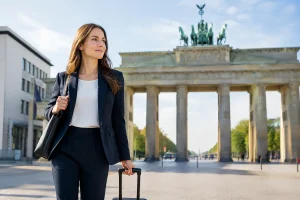
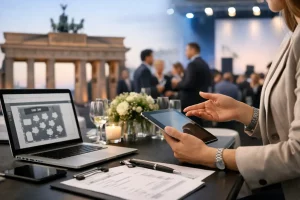
Berlin may suit a high-energy product launch, while Munich is often the stronger choice for executive hospitality and premium incentives. Frankfurt brings global air access and business gravity. Hamburg offers polished waterfront settings with architectural character. If you are asking how to plan an event in Germany, that first destination decision shapes everything that follows — budget, attendance, transportation, venue style, and the overall impression your guests will take home.
Germany rewards careful planning. It is one of Europe’s strongest destinations for meetings, incentives, conferences, and corporate gatherings because the infrastructure is dependable, the supplier base is mature, and standards are high. At the same time, expectations are high as well. Timelines matter. Contracts matter. Arrival flows, technical setup, rooming lists, dietary details, and transfer schedules all need to work with precision. For international planners, the difference between a good event and an outstanding one usually comes down to local expertise and disciplined project management.
How to plan an event in Germany from the start
The strongest events begin with commercial clarity, not venue browsing. Before shortlisting cities or properties, define the event’s purpose in operational terms. Is this a leadership summit, a dealer meeting, an incentive trip, a client entertainment program, or a multi-day conference? Each format has different requirements for meeting space, room blocks, entertainment policy, transportation, branding opportunities, and guest pacing.
This is also the stage to decide what success looks like. Some corporate groups need measurable networking time and polished conference production. Others need emotional impact — venues that will take your breath away, refined dining, and a program that makes senior guests feel genuinely valued. Germany can deliver both, but not always in the same package or at the same price point.
Budget planning should follow immediately after objective setting. In Germany, labor, premium venues, transportation, and food and beverage can be significant cost drivers, especially in major cities during trade fairs and peak business periods. A realistic budget should account for accommodation, meeting rental, audiovisual production, branding, staffing, private transfers, dine-arounds, social programming, contingency, and taxes. If you are comparing cities, do not only compare hotel rates. A city with better airport access and lower transfer complexity may reduce total event cost even if nightly room rates are slightly higher.
Choose the right German city for the event brief
Germany is not a one-size-fits-all destination. Each city supports a different event style, audience expectation, and logistical profile.
Berlin works well for companies that want creative energy, contemporary venues, and strong cultural contrast. It fits innovation-driven meetings, product launches, and international groups looking for a dynamic atmosphere. The trade-off is that venue selection must be handled carefully. Berlin’s range is excellent, but quality and service consistency can vary by property and district.
Munich is more formal, polished, and premium. It is particularly strong for executive meetings, high-class services, luxury hospitality, and incentive groups expecting an elevated standard. The city presents beautifully, but premium demand can affect availability and pricing, especially around major exhibitions and Oktoberfest season.
Frankfurt remains a practical choice for international attendance because of its air connectivity and business infrastructure. For short-stay conferences or regional meetings with guests flying in from multiple markets, convenience alone can justify the destination. The challenge is making the program feel distinctive, which requires stronger offsite planning and curated experiences.
Hamburg combines maritime character with a refined corporate feel. It suits leadership gatherings, customer events, and gala evenings where architecture and setting matter. Cologne and Düsseldorf are strong options for trade fair-linked programs and western Germany access. Smaller destinations such as Heidelberg, Dresden, or the Bavarian Alps can be outstanding for incentives and retreats when exclusivity matters more than direct connectivity.
Venue selection is where strategy becomes real
A venue should serve the program, not simply impress in photos. In Germany, the best event spaces are often booked well in advance, especially those with distinctive architecture, historic appeal, or strong central access. That is why venue sourcing should start once date windows, guest counts, and event objectives are clear.
For a conference, look beyond the plenary room. Check breakout flow, ceiling height, rigging capability, loading access, branding restrictions, internet strength, and noise separation from public areas. For a gala or incentive dinner, consider guest arrival sequence, exclusivity, acoustics, transfer times, and weather backup. A beautiful location loses value quickly if coaches cannot access it efficiently or if wet-weather alternatives feel like an afterthought.
Hotel selection should be integrated with venue planning. In some cities, a conference hotel is the most efficient choice. In others, a separate offsite venue creates a stronger guest experience. It depends on the event objective, the importance of convenience, and the desired emotional tone. Corporate guests will appreciate a smooth rooming process, walkable access where possible, and premium hospitality that feels composed rather than overproduced.
Logistics can make or break the guest experience
This is the area where experienced planners protect both budget and reputation. Germany’s transport network is excellent, but event logistics still require active coordination. Airport meet-and-greet, multilingual hostesses, VIP transfers, group coach routing, train arrivals, and baggage handling all need to be mapped against real schedules, not assumptions.
Attendee management is equally important. International groups often include different arrival times, room type requirements, visa-related documentation needs, dietary restrictions, and last-minute changes from senior stakeholders. A precise registration and rooming process saves time, reduces friction at check-in, and prevents operational issues from reaching your guests.
Technical production deserves the same rigor. German venues and suppliers are generally reliable, but every event needs a clear production schedule, speaker management process, rehearsal timing, and on-site decision structure. Hybrid components, interpretation, branded staging, and video capture should be scoped early. Premium execution is not about excess. It is about control.
Compliance, contracts, and local realities
Anyone researching how to plan an event in Germany should pay close attention to compliance. Germany is highly professional, but also structured. Contract terms, cancellation schedules, payment deadlines, insurance expectations, and data handling rules should be reviewed carefully before sign-off.
Certain events may involve local permits, security coordination, noise restrictions, labor timing rules, or venue-specific technical limitations. Public holidays and trade fair calendars also affect cost and availability. If your dates are flexible, moving an event by even a few days can improve hotel access and pricing considerably.
Food and beverage planning may also require more nuance than expected. German hospitality can range from highly traditional to very international depending on destination and venue category. For corporate groups, the most successful menus usually balance local character with broad guest comfort. This is especially relevant for mixed international audiences where dietary expectations vary.
Build a program that feels distinctly German without becoming predictable
Many international companies want a destination experience, but not a cliché. That is the right instinct. A well-designed German event should reflect place, but through quality and curation rather than stereotypes.
That might mean a private dinner in a historic palace, a modern automotive venue for a brand-led gathering, a behind-the-scenes cultural program, or a team-building activity built around craftsmanship, innovation, or regional identity. The goal is not to add entertainment for its own sake. It is to create moments that feel exclusive, thoughtful, and aligned with the brand hosting the event.
Germany performs especially well when the experience combines structure with atmosphere. Guests can move from a tightly run meeting day into a memorable evening program without any drop in standards. That contrast is powerful. It keeps the event productive while still delivering the emotional value companies expect from incentive travel and premium corporate hospitality.
Why local partnership matters when planning in Germany
On paper, Germany can look easy to manage. The infrastructure is strong, suppliers are professional, and major cities are internationally known. In practice, complex B2B events still benefit from a local partner who understands market pricing, venue culture, supplier strengths, timing risks, and guest expectations in each destination.
That matters when you need the right hotel block during a busy fair week, the right gala venue for a C‑suite audience, or the right transportation plan for multi-point arrivals. It matters when a program needs to feel bespoke instead of packaged. And it matters when your internal team needs one accountable point of coordination from concept to on-site delivery.
For companies planning meetings, conferences, incentives, or customer events, this is where a specialist such as My German DMC adds real value — not just by booking services, but by shaping a program that is commercially sound, operationally secure, and memorable for the right reasons.
Germany is one of the most rewarding event destinations in Europe when the planning is handled with discipline and local insight. If the brief is ambitious, the audience is valuable, and the margin for error is small, treat planning as a strategic exercise from day one — your guests will notice the difference.
nn
Looking for professional support? Explore our DMC Germany on site and get a personalised proposal for your next event in Germany.