A convention in Germany can look effortless on show day and still involve months of invisible complexity behind the scenes. That is exactly why convention services Germany matter so much for international organizers. The difference between a polished delegate experience and a schedule that starts slipping by mid-morning usually comes down to local control, supplier strength, and the ability to manage detail without losing sight of the bigger business objective.
Germany remains one of Europe’s most dependable destinations for conventions, congresses, association meetings, and corporate gatherings. The appeal is clear: strong infrastructure, respected venues, excellent air and rail access, and a business culture that values punctuality and preparation. Yet those strengths only translate into a successful event when the local execution matches the expectation.
What convention services in Germany actually include
For many organizers, convention services are often reduced to venue booking and hotel blocks. In practice, that is only the foundation. A serious convention program in Germany usually involves attendee management, transportation planning, multilingual support, production coordination, VIP handling, gala dinners, registration systems, technical setups, social programming, and contingency planning.
The scope depends on the event. A pharmaceutical congress in Berlin has very different requirements from an automotive dealer convention in Munich or an incentive-led sales conference in Hamburg. Compliance standards, branding expectations, guest movement, security needs, and stakeholder visibility all shape the service model.
That is why an experienced destination partner does not begin with a fixed package. The right process starts with the event objective. Are you trying to drive education, reward top performers, launch a product, build channel relationships, or bring together multiple markets under one brand experience? Once that is clear, the event architecture becomes more precise.
Why Germany is strong for conventions
Germany works especially well for B2B events because it combines scale with reliability. Major cities such as Berlin, Frankfurt, Munich, Hamburg, Cologne, and Düsseldorf offer convention-ready infrastructure, broad hotel inventory, strong transportation systems, and venues suited to both formal business programs and more distinctive evening events.
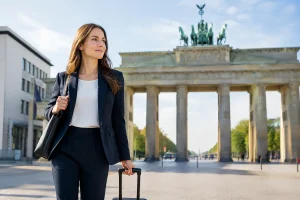
Berlin offers range and international energy. It suits large congresses, innovation-led conferences, and events that benefit from a cosmopolitan setting. Frankfurt is often the practical choice for global attendees because of its airport connectivity and business-first environment. Munich brings premium hospitality and polished corporate appeal, particularly for sectors that value prestige. Hamburg works well for events that want a refined waterfront atmosphere with strong logistics. Cologne and Düsseldorf remain highly relevant for trade fair-linked gatherings and corporate programs with significant regional business ties.
Still, city selection is rarely just about profile. It depends on flight patterns, room availability, delegate demographics, transfer times, venue fit, and seasonality. A city that looks ideal on paper can become less efficient if the convention calendar is crowded or if guest movement between hotels and event sites creates friction.
The real value of local convention services Germany providers
International planners often know what they want the event to achieve. What they need on the ground is a partner who knows what will actually work.
This is where local convention services Germany providers create measurable value. They know which venues photograph beautifully but create bottlenecks at registration. They know which hotels are premium in category and which are premium in service. They know when a 20-minute transfer is realistic and when it becomes 45 minutes because of city traffic patterns, trade fair overlap, or road restrictions.
That local intelligence protects both budget and reputation. It also saves time. Instead of comparing endless supplier options remotely, organizers can move faster with curated recommendations that reflect operational reality.
A strong local DMC or incoming agency also brings long-standing supplier relationships. That matters when room blocks tighten, when a gala setup changes at short notice, or when a VIP airport service needs to be adjusted on the day. Access is not everything, but trusted relationships often make the difference when pressure rises.
Venue finding is strategic, not administrative
One of the most underestimated parts of convention planning is venue selection. The best venue is not always the largest, newest, or most visually dramatic. It is the one that supports the program flow, attendee profile, technical requirements, and desired brand tone.
In Germany, the venue landscape is exceptionally broad. There are large-scale convention centers, elegant city hotels, industrial locations, historic buildings, automotive venues, museums, riverfront spaces, and castles that will take your breath away. The temptation is to choose based on impression alone. That can be expensive.
A breathtaking venue may require additional transport layers, more production spend, or stricter timing windows. A hotel-based convention may simplify logistics dramatically, even if it feels less dramatic at first glance. For some clients, efficiency and delegate convenience create more value than spectacle. For others, the setting is central to stakeholder perception and absolutely worth the additional planning.
This is where professional judgment matters. A refined event is rarely about excess. It is about choosing the right elements in the right proportion.
Hotels, attendee flow, and the guest experience
Convention performance is shaped by more than the meeting room. If hotel check-in is slow, transfers are poorly phased, or VIP guests feel like part of the general flow, the event starts losing polish before the opening session begins.
Germany offers excellent accommodation across international chains, boutique hotels, and premium business properties. The challenge is matching the inventory to the event structure. A single-headquarter hotel may be ideal for leadership meetings or smaller conventions. Larger events often require multiple hotels across different categories, which then makes transport planning and communication more critical.
Attendee administration also deserves more attention than many teams initially give it. Rooming lists, arrival tracking, dietary requests, badge logic, special access categories, and last-minute changes all affect how the event feels. Guests may never notice when this system works well. They notice immediately when it does not.
Transportation and timing are where precision shows
Germany is known for efficiency, but event transportation still needs active coordination. Airport arrivals, rail connections, executive transfers, shuttle waves, loading windows, and city-specific traffic conditions all have to be aligned with the program.
For large conventions, transportation is not just a movement function. It is part of the guest experience and part of the risk-management plan. Delegates arriving from the US, the UK, the Middle East, and across Europe will not share the same arrival patterns or expectations. Some need direct executive service. Others need smooth group handling with clear signage and communication.
The same is true for evening events and off-site programs. A dinner cruise, museum reception, brewery experience, or castle event can elevate the entire convention. But only if travel times, weather alternatives, and return logistics are built properly into the schedule.
Convention services Germany and bespoke program design
The strongest events in Germany are rarely built from standardized templates. They are designed around the audience, the message, and the business goal.
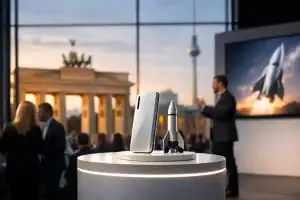
That may mean integrating a product showcase into a landmark venue, building a leadership dinner around regional cuisine and private access, or pairing a formal convention with high-class team-building experiences that feel relevant rather than forced. For some groups, that means understated sophistication. For others, it means a stronger experiential layer with curated cultural programming.
A bespoke approach also allows for better cost control. Custom does not automatically mean expensive. In many cases, it simply means that budget is allocated where it creates the most impact instead of being spread across items that add little value.
This is especially important for international buyers who need one source of truth. When a single local partner manages venue sourcing, accommodations, transport, production coordination, guest services, and selected social elements, decision-making becomes faster and accountability becomes clearer.
What to look for in a convention partner in Germany
If you are selecting a provider, look beyond proposals that simply list services. The quality difference usually appears in how the partner thinks.
A strong partner asks precise questions early. They challenge assumptions that may create friction later. They present options with rationale, not just pricing. They understand that premium hospitality and strict operational control are not competing priorities. In fact, the best events depend on both.
You should also expect transparency around trade-offs. Not every city is right for every program. Not every iconic venue is practical. Not every guest experience needs to be elaborate to be memorable. Credible advice is rarely about saying yes to everything. It is about protecting the event outcome.
For companies that need reliable local execution, My German DMC represents the kind of consultative support that makes Germany such a strong convention destination in the first place: structured planning, deep destination knowledge, and bespoke delivery with premium standards throughout.
A well-run convention should feel calm, intentional, and distinctly well hosted. That result is never accidental. It comes from decisions made early, managed carefully, and delivered by people who know the destination well enough to make excellence look easy.
nnLooking for professional support? Explore our convention services Germany and get a personalised proposal for your next event in Germany.
Explore all of our DMC services in Germany.