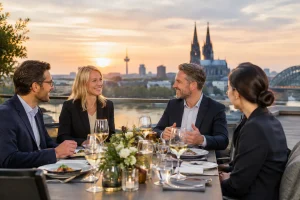
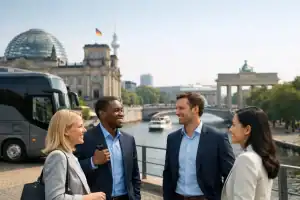
A boardroom in Frankfurt, a gala dinner in a Bavarian castle, and a private evening at a Berlin museum can all belong in one program. The challenge of group travel Germany is not finding impressive ideas. It is turning them into a coherent experience that respects business objectives, attendee expectations, budgets, timing, and the realities of moving a group across a highly organized country.
For corporate meetings, incentives, conferences, and customer events, Germany rewards detailed preparation. Its cities are exceptionally well connected, its hospitality infrastructure is strong, and its venue portfolio ranges from landmark hotels to industrial heritage spaces and contemporary cultural institutions. Yet the quality of the destination also raises expectations. A successful program must feel effortless to attendees because the planning behind it is exacting.
Why Group Travel Germany Requires Local Precision
Germany is often treated as a single destination in early planning, but each region creates a different event proposition. Berlin brings creative energy, history, and a powerful setting for international conferences. Munich offers Alpine proximity, polished hospitality, and strong incentive appeal. Frankfurt is an efficient gateway for global business groups, while Hamburg combines maritime character with elegant event spaces. Cologne, Düsseldorf, Stuttgart, and Dresden each offer their own commercial strengths and cultural advantages.
The right destination depends on the purpose of the gathering. A leadership retreat may benefit from a quieter setting near the Bavarian Alps or the vineyards of the Rhine Valley. A product launch may need the visual impact and production capabilities of Berlin or Hamburg. A congress needs reliable air access, convention capacity, room inventory, and transport planning that works for hundreds or thousands of delegates.
This is where local destination knowledge becomes operationally valuable. Venue capacity on paper is only one consideration. Event planners also need to know how guests will arrive, where coaches can load, whether a gala setup affects access, how long a transfer truly takes during peak traffic, and which suppliers can deliver consistently under pressure. These details determine whether a program feels premium or merely looks good in a proposal.
Build the Program Around the Business Objective
The most effective group programs do not begin with a city tour or a hotel shortlist. They begin with a clear answer to a simple question: what should attendees think, feel, or do differently after the event?
For an incentive group, the objective may be recognition and motivation. The program should then create access that cannot be replicated on an ordinary leisure trip: a chef-led dinner in a private historic room, an after-hours cultural experience, or a carefully designed regional activity that encourages genuine connection. For a sales meeting, the priority may be focus, convenience, and a setting that supports confident decision-making. For a client event, brand alignment and hospitality may matter more than a packed agenda.
Germany is especially effective when business content and destination character are allowed to support one another. A technology company might use Berlin’s innovation districts as a backdrop for thought leadership. An automotive group could create meaningful programming around southern Germany’s engineering heritage. A financial services event in Frankfurt can pair a highly efficient conference structure with a refined evening on the Main River or in a private venue overlooking the skyline.
The trade-off is pace. Trying to show guests too much can weaken the event. A group that spends every day changing hotels or sitting on coaches has less time for the conversations that justify the investment. For many corporate groups, one primary city with one carefully selected off-site experience delivers more impact than an ambitious multi-city itinerary.
Choose Venues for More Than Visual Impact
Venues that will take your breath away are valuable, but they must also work hard. A spectacular historic property can be ideal for a gala, although it may have strict production limits, narrow access points, or limitations on amplified music. A modern convention hotel may not offer the same drama, but it can provide integrated meeting rooms, strong technical infrastructure, and efficient attendee flow.
The best venue strategy usually combines function and contrast. Host the core meeting in a location built for concentration and reliable delivery. Then take guests off-site for the moment that creates anticipation and memory. This approach protects the working agenda while still giving the program a distinct sense of place.
When reviewing venues, assess the full guest journey: airport arrival, transfer time, check-in capacity, meeting access, catering flow, production requirements, accessibility, and departure logistics. A venue is only exceptional when every part of that journey supports the intended experience.
The Logistics Behind Exceptional Corporate Group Travel
Attendees should not need to notice the operational framework. They should know where to be, receive clear information, and move through the program with confidence. Achieving that standard requires disciplined coordination across accommodations, transportation, registration, suppliers, staffing, and contingency planning.
Germany’s rail network can be an excellent asset for smaller groups and city-to-city movement, particularly when schedules allow appropriate flexibility. For larger delegations, dedicated coaches or coordinated private transfers often offer greater control over timing, luggage, branding, and on-site management. The right choice depends on group size, itinerary complexity, arrival patterns, and the level of service expected.
Hotel sourcing requires similar judgment. A preferred property may have suitable room inventory but limited space for breakfast at peak times. Another may have excellent meeting facilities but be too far from evening venues. Premium group travel is not simply about selecting the highest-rated hotel. It is about selecting the hotel that supports the entire program, including VIP arrangements, delegate communications, early arrivals, dietary requirements, and practical movement through the city.
For international groups, communication should be concise, timely, and consistent. Arrival instructions, dress codes, weather guidance, transfer details, and daily schedules should be clear before guests land. On site, a visible and well-briefed team provides reassurance without becoming intrusive. This is particularly important when senior executives, top performers, or valued customers are among the attendees.
A reliable operating plan should account for:
- flight delays, missed connections, and staggered arrivals;
- alternative transport routes and realistic traffic allowances;
- weather-sensitive outdoor activities and credible backup options;
- dietary, accessibility, security, and protocol requirements; and
- a single point of decision-making when changes are needed quickly.
These preparations are not signs of caution for its own sake. They protect the guest experience and give organizers the freedom to focus on their people rather than the next operational issue.
Create Experiences That Feel Authentically German
Corporate groups are increasingly selective about destination programming. Generic sightseeing has limited value when attendees are traveling internationally and giving up personal time. They want experiences with a clear connection to the place, delivered at a standard appropriate to the event.
Germany offers considerable range. A culinary program can move beyond familiar stereotypes to regional cuisine, contemporary chefs, private tastings, and vineyard settings. Cultural experiences can include architecture, music, art, and history, shaped to the group’s interests and available time. Active team-building can take place on water, in the countryside, or in urban settings, but should be designed around participation rather than forced competition.
Authenticity also requires sensitivity. Not every group needs a traditional costume-themed evening or a high-energy team challenge. A senior leadership group may prefer a private guided encounter with art or design, followed by an intimate dinner. A young international sales team may respond better to an interactive city challenge and a lively social evening. The program should reflect the people in the room, not a standardized idea of Germany.
Thoughtful pacing matters here as well. Leave room for informal conversations, individual discovery, and recovery after long-haul travel. A premium experience often feels composed rather than overloaded.
A Better Planning Timeline for Group Travel in Germany
For major conferences, large incentive groups, or programs requiring exclusive venues, early planning is a commercial advantage. The most distinctive spaces and preferred hotel dates are limited, especially around trade fairs, holiday periods, and major citywide events. Starting early also creates more room to negotiate, shape the program, and secure the suppliers that match the required service level.
Smaller executive meetings can be arranged on shorter timelines, but only if the scope remains realistic. A fast turnaround may require flexibility on venue choice, city, or travel dates. It is better to make these decisions openly at the start than to promise a specific outcome that availability cannot support.
A strong planning process moves from strategic brief to destination selection, hotel and venue sourcing, program design, supplier confirmation, attendee management, and final operational documentation. Each stage should have clear ownership and approval points. This avoids the late changes that can affect cost, service, and guest confidence.
For organizations planning a meeting, incentive, or client event, the right local partner turns Germany’s range of possibilities into a program with purpose. My German DMC can shape that process from the first destination conversation through on-site delivery, bringing together high-class services, distinctive experiences, and the precision complex groups require. Bring a clear objective and an honest view of your priorities — the strongest event concept starts there.