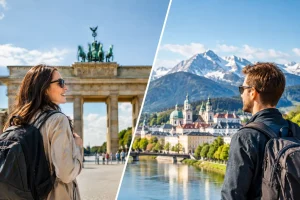
A top performer should never arrive at an incentive trip wondering why they were invited, what is expected of them, or whether the experience will feel like every other corporate event. Knowing how to design incentive programs means creating a clear connection between achievement, recognition, and an experience people will remember long after they return to work.
For corporate leaders and event planners, the challenge is not simply booking an attractive destination. It is designing a reward that supports business priorities, respects the audience, and runs with the precision expected of a high-value corporate investment. The strongest programs make guests feel genuinely recognized while giving the organization measurable value in return.
Start With the Business Objective
An incentive program is a strategic tool, not a vacation with a company logo. Before selecting a city, hotel, or activity, define the behavior the program is intended to encourage. That may be increased sales, stronger retention, a successful product launch, improved partner engagement, or recognition for a team that delivered exceptional results.
The objective determines every later decision. A sales competition may require transparent qualification rules and regular progress communications. A leadership recognition program may place more value on peer connection, executive access, and reflective time away from daily operations. A client incentive requires a different balance again, with hospitality, relationship-building, and discretion taking priority.
Set success measures at the outset. Financial results matter, but they are not the only indicator. Consider qualification rates, attendance, post-program engagement, employee retention, client pipeline movement, and guest feedback. A well-designed program can be aspirational and highly accountable at the same time.
Define Who You Are Rewarding
The same destination can feel extraordinary to one group and irrelevant to another. Audience insight is what turns a polished itinerary into a meaningful reward.
Understand the profile of the participants: their home markets, seniority, travel experience, age range, mobility needs, dietary requirements, and expectations around free time. A group of seasoned executives may value a private dinner in a historic venue, discreet service, and unhurried cultural access. A younger, high-performing sales team may respond more strongly to shared challenges, energetic nightlife, and active experiences.
It also pays to consider who travels with the winner. Partner-inclusive incentives often need a different rhythm from team-only programs. Guests may appreciate optional cultural activities, wellness time, and curated excursions that allow them to experience the destination at their own pace. A program should feel rewarding without becoming overprogrammed.
Build the Reward Around the Qualification Story
How to design incentive programs successfully often comes down to one question: is the reward compelling enough to influence behavior before anyone has earned it?
The qualification structure must be easy to understand. Participants should know what they need to achieve, how progress is tracked, and when results are confirmed. Ambiguous rules damage trust, particularly when top performers have invested months of effort toward the reward.
The trip itself should reflect the level of achievement. Avoid treating every component as a standalone purchase to be minimized. A premium incentive experience is created through the combination of thoughtful touches: an exceptional arrival, a hotel with character, a host who knows the destination, transportation that works exactly when needed, and access that individual travelers cannot easily arrange themselves.
Exclusivity does not always require excess. A private after-hours museum visit, a chef-led dinner in a vineyard, or a reception in an architectural landmark can create stronger emotional impact than a generic luxury upgrade. The point is to make guests feel that the program was designed for them, not selected from a catalog.
Choose a Destination With Purpose
Germany offers considerable range for incentive travel, from the energy of Berlin and the business sophistication of Frankfurt to the elegance of Munich, the maritime character of Hamburg, and the vineyard landscapes of the Rhine and Moselle regions. The right choice depends on the experience you want participants to take home.
A destination should support the program’s central idea. Berlin can suit a group energized by creativity, transformation, and contemporary culture. Munich lends itself to polished hospitality, Alpine access, and traditional Bavarian experiences delivered at a high standard. Hamburg offers waterfront settings, distinctive architecture, and an understated premium atmosphere. For a more intimate reward, a wine region can create space for conversation, gastronomy, and slower-paced discovery.
Accessibility matters as much as appeal. Review international flight connections, transfer times, hotel inventory, seasonal conditions, and the availability of suitable venues before committing. A spectacular venue that requires a complex, exhausting journey may not deliver the experience promised. Local expertise helps planners identify the destinations and suppliers that offer both impact and operational reliability.
Design an Itinerary With Contrast and Breathing Room
A strong incentive itinerary has a deliberate pace. It gives guests moments of anticipation, shared celebration, and personal choice. Filling every hour can make even a beautiful destination feel like a meeting agenda in a different location.
Plan around a few signature moments rather than an endless sequence of activities. The opening evening should establish the standard immediately. A memorable welcome in a venue that will take guests’ breath away signals that their achievement has been recognized. The final night should provide a sense of occasion, whether through a gala dinner, an awards presentation, or an intimate celebration with local entertainment.
Between these anchor events, offer contrast. Pair a high-energy team experience with a relaxed afternoon. Balance a guided cultural encounter with time for independent exploration. Include optional choices where the group is diverse, but keep the operational plan controlled enough that every guest receives clear information and reliable support.
The most effective programs often make space for meaningful interactions. A private dining experience may encourage stronger conversation than a large ballroom. A well-facilitated team activity can reinforce collaboration without feeling forced. The itinerary should serve the people and the objective, not simply fill time.
Protect the Experience Through Operational Detail
Guests notice the emotion of an event, but they remember friction. Long queues, unclear meeting points, missed dietary requests, poorly timed transfers, or inadequate contingency plans can quickly dilute an otherwise outstanding program.
This is where a destination management partner earns its place. Detailed attendee management, vetted suppliers, on-site staffing, transportation schedules, rooming controls, and real-time communication are not background tasks. They are the structure that allows guests to relax and enjoy the reward.
Build practical safeguards into the plan from the beginning. Confirm cancellation terms and payment schedules. Prepare weather alternatives for outdoor events. Account for flight disruptions, accessibility needs, medical support, and security requirements. Check that venues can accommodate the actual program flow, including arrivals, coat check, staging, branding, sound, and departure logistics.
Sustainability should also be considered realistically. A responsible program might prioritize rail where practical, choose locally sourced menus, reduce unnecessary printed materials, and work with suppliers that manage resources carefully. The goal is not to make broad claims. It is to make considered decisions that align with company values and the expectations of participants.
Make Recognition Feel Personal
Recognition becomes powerful when it is specific. A generic welcome letter has limited value compared with a thoughtful acknowledgment of what the group has achieved and why it matters to the organization.
Use executive participation carefully. A brief, sincere message from leadership can elevate an awards dinner or opening reception, especially when it connects performance to the wider business mission. Keep presentations concise. Participants have earned an experience, not an extended conference session.
Personalization can appear in quiet details: room amenities informed by guest preferences, relevant local gifts, thoughtful seating plans, or a host who can anticipate questions before they arise. These details communicate care without becoming intrusive. For international groups, cultural awareness is equally important. Hospitality should feel warm, polished, and inclusive across every touchpoint.
Evaluate Results and Improve the Next Program
The return journey is not the end of the incentive. Follow up while the experience is still fresh. Gather feedback on the destination, accommodation, activities, service, and overall sense of recognition. Compare responses with the objectives established at the start, then review supplier performance and budget outcomes with the same discipline.
Look beyond satisfaction scores. Did the qualification process motivate the intended audience? Did the event strengthen relationships among participants? Were there operational pressure points that should be redesigned? Honest evaluation makes the next program more effective and protects the value of the investment.
For complex corporate groups, a local partner can turn this process into a more confident decision from the first proposal onward. My German DMC combines destination knowledge, high-class services, and meticulous on-site coordination to create incentive experiences that feel exceptional without compromising on control.
The best incentive programs do not try to impress everyone in the same way. They reward the right achievement with the right setting, then deliver every detail with care. Give your top performers a reason to strive for the next invitation — and give them an experience worthy of having earned it.