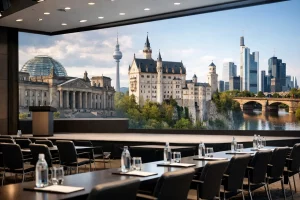
A gala dinner in a historic Berlin landmark, a leadership retreat in the Bavarian Alps, or a conference across multiple German cities can look effortless to attendees. Behind that experience sits a detailed operational plan: supplier contracting, rooming lists, airport arrivals, permits, dietary requirements, contingency planning, and on-site coordination. That is why the question, how much do DMC services cost, is really a question about the scope, complexity, and level of risk a local partner is being asked to manage.
For corporate events in Germany, DMC pricing is not usually a fixed package. The right program is designed around your group, objectives, destination, standards, and timetable. A transparent proposal should separate the DMC’s professional fees from the third-party costs required to deliver the experience.
What Is Included in DMC Pricing?
A destination management company can act as a single-source partner for part of a program or for the entire event journey. At the most involved level, this includes destination consulting, venue and hotel sourcing, supplier negotiations, attendee registration support, transportation scheduling, restaurant and catering coordination, activity design, staffing, and on-site management.
The DMC fee covers the expertise and project resources behind those services. It reflects the time spent building the concept, securing suitable suppliers, refining the itinerary, managing changes, checking operational details, and ensuring that every guest is where they need to be at the right time.
Third-party costs are separate. These may include hotel rooms, meeting space, catering, coaches, guides, entertainment, production, activities, décor, permits, and entrance fees. A sophisticated proposal makes this distinction clear, allowing planners to see both the cost of delivery and the investments that create the guest experience.
How Much Do DMC Services Cost in Germany?
For smaller corporate groups or focused meeting support, a DMC planning and coordination fee may begin around $3,000 to $8,000. A multi-day incentive, conference, or executive program with numerous moving parts may require fees from $10,000 to $30,000 or more. Large conventions, citywide programs, and complex events involving multiple hotels, production teams, guest transfers, and high-touch service can exceed $50,000 in professional management fees.
These are planning ranges, not a substitute for a tailored proposal. A 40-person board retreat can require more detailed management than a 200-person meeting if it involves private aviation, VIP security, exclusive venue access, highly personalized dining, and several destination changes.
Some DMCs charge a fixed project fee. Others use a percentage of managed spend, often in the range of 10% to 20%, particularly when the program includes extensive sourcing, contracting, and supplier management. A hybrid model is also common: a defined planning fee paired with management fees for specific services or on-site staffing.
The strongest approach is not necessarily the lowest quote. A low initial fee can leave essential tasks outside the scope, only to reappear later as additional charges or gaps in responsibility. The right proposal establishes who owns each detail before contracts are signed.
The Factors That Shape Your Final Investment
Group size affects cost, but it is only one variable. Larger groups can create purchasing power with hotels, restaurants, and transportation providers, while also demanding more registration support, dispatching, staffing, and guest communication. The relationship is rarely linear.
Destination choice has a direct impact as well. Munich during Oktoberfest, Frankfurt during major trade fairs, Berlin around flagship conventions, and popular Alpine areas in peak season operate under very different availability and pricing conditions. In-demand dates may require earlier contracting and more creative venue sourcing to preserve the desired standard.
Program complexity is often the most significant factor. A straightforward hotel meeting with airport transfers is very different from a three-day incentive featuring a private museum dinner, branded production, multiple activity tracks, and departures from several international gateways. Each added layer creates coordination work, supplier dependencies, and operational exposure.
Premium expectations also matter. Exclusive-use properties, venues that will take your breath away, Michelin-level dining, luxury vehicles, private guides, and customized entertainment command a different budget than standard group arrangements. There is no universal right level of spend. The objective is to place investment where it has a meaningful effect on your guests and business goals.
Finally, lead time influences price. With six to 12 months of planning runway, a DMC can pursue the strongest supplier options and negotiate from a position of choice. A program launched within weeks may still be delivered to a high standard, but limited availability can increase both supplier rates and the management effort required.
What a DMC Fee Can Save You From
It is tempting to compare a DMC fee with the apparent cost of booking suppliers directly. That comparison misses the operational value of local accountability. A DMC knows which venue loading restrictions can disrupt a production schedule, which hotel transfer routes become unreliable during a citywide event, and which suppliers consistently perform at the level promised.
That knowledge protects more than a line item. It protects executive time, attendee confidence, and the reputation of the organizer. When a flight is delayed, an outdoor activity is affected by weather, or a key supplier needs immediate escalation, the value of an experienced local team becomes very tangible.
A DMC can also bring established supplier relationships to the table. This does not mean every component will be cheaper. Premium inventory remains premium inventory. It does mean recommendations are grounded in performance history, realistic timing, and a clear understanding of where quality cannot be compromised.
How to Compare DMC Proposals Fairly
Ask each potential partner to define its scope in practical terms. Does the fee include venue sourcing rounds, contract review, rooming list management, attendee communications, on-site staff, emergency support, reconciliation, and final reporting? Are revisions capped? Are evening or weekend staffing hours included? Precision at this stage prevents difficult assumptions later.
Also review the supplier budget with care. A proposal should show quantities, unit rates, service inclusions, and known exclusions. For programs in Germany, clarify whether prices include VAT, service charges, city taxes, gratuities, and any currency conversion assumptions. International planners should confirm how invoicing and tax treatment will be structured for their organization rather than relying on a general rule.
Be cautious when comparing proposals that appear materially different in price but are not equal in scope. One may include senior on-site leadership and comprehensive transfer management; another may cover basic sourcing only. The more complex the event, the more important it is to compare operational responsibility rather than headline totals.
A Better Way to Build the Budget
Start with the outcome you need to achieve. Is the program intended to reward high performers, align a leadership team, strengthen customer relationships, or deliver education at scale? That answer helps determine where the budget must be protected and where it can be adjusted without weakening the experience.
A practical planning budget usually allocates funds across accommodations, meetings and production, food and beverage, transportation, experiences, staffing, and DMC management. Keep a contingency reserve for late attendee changes, weather alternatives, or supplier adjustments. For high-profile programs, a contingency of 5% to 10% of the controllable event budget is often sensible, depending on the destination and complexity.
Early collaboration creates more options. A local DMC can advise whether shifting an arrival day, changing a neighborhood, using a lesser-known venue, or simplifying transfer patterns will create meaningful savings while retaining the desired level of hospitality. These are not compromises made at the expense of the event. They are strategic decisions made with destination knowledge.
My German DMC approaches pricing as part of the event design process, matching high-class services and precise execution to the priorities that matter most to each client. The goal is a controlled, clearly explained investment with no ambiguity about who is responsible for delivery.
A well-built DMC proposal should leave you with more than a number. It should give you confidence that your guests, suppliers, schedule, and brand are being managed with the care a significant corporate event deserves. Bring your objectives, date range, group profile, and preferred experience to the first conversation, and the budget can become a practical route to an exceptional program rather than a guessing exercise.