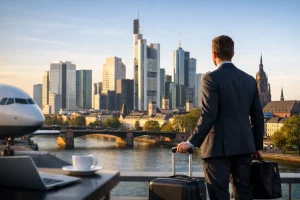
An offsite should not feel like a meeting that has been moved to a nicer hotel. It is a substantial investment in alignment, relationships, and momentum — and every detail either supports that investment or dilutes it. Knowing how to organize company offsites begins with treating the program as a business objective with a travel operation attached, not the other way around.
For international teams meeting in Germany, that distinction matters even more. A compelling destination, a historic venue, and an exceptional dinner can create real emotional impact. Yet the experience only succeeds when arrivals, rooming, agendas, transportation, dietary needs, supplier timings, and contingency plans are managed with the same care as the guest-facing moments.
Start With the Decision You Want the Offsite to Change
Before selecting a city or requesting hotel proposals, define the outcome. Is leadership making a major strategic decision? Does a newly integrated team need stronger working relationships? Is the company rewarding high performers, introducing a new direction, or rebuilding connection after a period of rapid change?
The answer determines the right format. A leadership retreat needs privacy, time for thoughtful discussion, and space away from distractions. A company-wide kickoff requires strong production, clear attendee flow, and meeting capacity that supports both plenary sessions and smaller working groups. An incentive-led offsite may place greater value on distinctive experiences, premium hospitality, and a program that rewards guests without becoming over-scheduled.
Set two or three measurable objectives early. For example, the leadership team may need to approve a 12-month roadmap, employees may need to leave with a clear understanding of a new operating model, or cross-functional groups may need to produce specific project decisions. These objectives become the filter for every later choice, from the venue layout to the length of the evening program.
How to Organize Company Offsites Around the Right Destination
Germany offers very different settings within relatively easy reach of one another, but the most attractive destination is not always the most appropriate one. Berlin brings creative energy, international access, and a strong choice of contemporary event spaces. Munich suits premium incentive programs, executive groups, and guests drawn to Alpine landscapes and Bavarian hospitality. Frankfurt is efficient for globally dispersed attendees because of its airport connectivity, while Hamburg combines maritime character with polished urban venues.
The destination must work for the actual guest list. Review flight patterns, visa considerations, arrival windows, mobility requirements, and the proportion of attendees traveling from outside Europe. A location that saves on venue cost but forces half the group into multiple connections can create fatigue before the opening session begins.
Then consider the atmosphere required. A central hotel may be best for a compact conference with many breakouts. A secluded estate, lakeside property, or vineyard setting can encourage candid conversation for a smaller leadership group. In some cases, a two-location design works well: focused daytime meetings in the city, followed by an exclusive dinner or cultural experience that gives guests a genuine sense of place.
Local knowledge is valuable here because a venue photograph rarely reveals the full operational picture. The crucial questions are practical: Can coaches access the property? Are there enough rooms on one site? Is the meeting space acoustically suitable? Can the kitchen serve 180 guests at the intended dinner time? Are there restrictions on music, branding, deliveries, or late departures? These details are where a polished concept either becomes possible or starts to unravel.
Build an Agenda That Protects Attention
The strongest offsite agendas have rhythm. They give people a reason to arrive prepared, enough time to contribute, and space to process what they have heard. Packing every hour with presentations may look productive on paper, but it often leaves attendees with little capacity for the conversations that create real alignment.
Plan the business content first. Identify the sessions that cannot be shortened or compromised, then shape the hospitality and experiences around them. Reserve the first major gathering for orientation and context, especially if guests arrive from multiple time zones. The second day is usually best for substantial workshops or decisions, once the group has settled into the environment.
Breakout design deserves particular attention. Groups need clear assignments, skilled facilitators where appropriate, visible outputs, and rooms that are genuinely fit for discussion. Sending teams to poorly marked spaces across a large hotel creates unnecessary friction. So does scheduling a 15-minute transition when the group actually needs 30 minutes to collect materials, take an elevator, and find the next room.
Social programming should complement the purpose of the meeting. A private museum opening, chef-led dinner, architectural tour, or hands-on team activity can create a memorable shared reference point. But the right choice depends on the group. Senior executives may appreciate discretion and unhurried conversation; a younger, larger team may respond better to an active, participatory experience. Premium does not mean extravagant for its own sake. It means appropriate, well-produced, and personal.
Create One Source of Truth for Operations
Complex offsites rarely fail because of one dramatic mistake. More often, they lose quality through a series of small gaps: an outdated rooming list, a speaker who has not received a transfer time, guests arriving at the wrong hotel entrance, or a dietary request that did not reach the dinner venue.
A master operating document should control the essentials: attendee data, arrival and departure schedules, accommodation allocations, transportation movements, meeting requirements, supplier contacts, production timing, emergency procedures, and final approvals. Keep ownership clear. Every task needs a named person, a deadline, and a status that is visible to the decision-makers who need it.
Four areas require particularly close control:
- Attendee management: Collect names, travel details, passport information where needed, accessibility requirements, dietary preferences, and emergency contacts through a secure, consistent process.
- Transportation: Map airport meet-and-greet coverage, vehicle capacities, coach movements, luggage handling, driver briefings, and realistic travel times at the actual time of day.
- Rooming and hospitality: Confirm room categories, early arrivals, VIP treatment, welcome amenities, billing instructions, and the procedure for last-minute changes.
- On-site communications: Give attendees concise information before travel and use one dependable channel for daily updates, meeting changes, and emergency messages.
The key is not to burden attendees with logistics. Guests should know where to be, when to be there, and whom to contact. Everything else should feel effortless because the backstage operation is disciplined.
Budget for the Experience, Not Just the Line Items
A credible offsite budget accounts for more than hotel rooms and meeting rental. Include production, technical support, transfers, guide services, permits, staffing, branding, gratuities where customary, insurance, taxes, and a contingency reserve. International groups should also consider currency movement and the practical cost of late changes.
There are sensible trade-offs. A hotel close to the airport may reduce transfer costs, but a less distinctive setting can weaken the sense of occasion. A unique private venue may require additional transportation, furniture, generators, or weather protection. Neither choice is inherently better. The right decision comes back to the event’s purpose, guest profile, and tolerance for operational complexity.
Avoid treating the contingency budget as optional. Flight disruptions, speaker changes, weather shifts, and supplier substitutions happen even on the most carefully planned program. A reserve gives the team room to respond quickly without turning every adjustment into a budget escalation.
Prepare for What Cannot Be Scheduled
Precision includes contingency planning. For outdoor activities, identify a credible indoor alternative rather than a vague promise to “adjust if necessary.” For arrivals, build in backup vehicles and an escalation path for delayed guests. For critical presentations, test internet connectivity, presentation formats, microphones, confidence monitors, and backup files before attendees enter the room.
Security and guest welfare should be handled proportionately but seriously. Confirm emergency access, medical support options, venue evacuation procedures, data privacy practices, and a point of contact available throughout the program. If executives, public-facing guests, or sensitive business discussions are involved, discretion should be designed into hotel selection, transfers, registration, and meeting-room access.
A final on-site briefing with every core supplier is one of the highest-value moments in the planning process. Walk the guest journey from arrival to departure. Check signage from the perspective of someone who has never visited the venue. Reconfirm timing, names, handovers, and the decisions each supplier can make without waiting for approval.
Design the Departure as Carefully as the Arrival
The last hour of an offsite often determines what people remember. Do not let a strong program fade into a rushed checkout queue and uncertain airport transfers. Close the business agenda with clear commitments, owners, and next steps. Then make departure information simple, personal, and accurate.
A brief post-event review also protects the value of the investment. Gather attendee feedback while impressions are fresh, review supplier performance, reconcile the budget, and document what should change next time. The goal is not merely to rate the event. It is to improve the organization’s ability to bring people together with purpose.
When the stakes are high, a local destination partner can turn a demanding brief into a composed, high-class experience. My German DMC combines destination insight, distinctive venues, and disciplined on-site management so your guests can focus on the conversations that matter. Request a tailored proposal built around your objectives, your people, and the standard of execution they expect.