A luxury hotel and a nice dinner do not make an incentive trip successful. If the program feels generic, poorly paced, or disconnected from business goals, even a generous budget can produce a forgettable result. The companies that get this right understand that how to run incentive trips is not simply a travel question — it is a performance, culture, and brand experience question.
For corporate planners, procurement teams, and agency partners, the pressure is clear. You need a program that rewards top performers, feels exclusive, runs on schedule, and reflects well on your organization. That takes more than good taste. It takes structure, destination knowledge, and operational discipline from the first brief to the final departure.
Start with the business case, not the destination
One of the most common mistakes in incentive planning is choosing the place before defining the purpose. A trip for top sales performers has different requirements than a channel partner reward program or an executive recognition experience. The right destination, hotel style, and activity mix depend on what behavior you are trying to reinforce.
If your goal is motivation, the trip should feel aspirational from the moment participants qualify. If your goal is retention, the experience needs emotional value and personal attention. If the trip is also designed to strengthen relationships with clients or distributors, the program needs more space for hosted networking and polished hospitality.
This early clarity affects everything from budget allocation to room categories to the balance between meetings and leisure. It also helps avoid a common tension in corporate travel — trying to satisfy too many objectives with one itinerary. Sometimes that is possible. Often, it weakens the experience.
How to run incentive trips with the right audience in mind
An incentive trip only works when the program fits the people attending. A high-performing sales team in their thirties may respond well to high-energy evening events and competitive group activities. A senior leadership group may prefer privacy, premium dining, and more unstructured time. International attendees may also have very different expectations around food, service tempo, free time, and cultural programming.
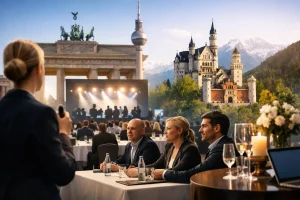
This is where segmentation matters. Not every audience wants the same kind of prestige. For some, prestige means a five-star city hotel and a private rooftop reception. For others, it means access — a venue that is normally closed to the public, a private concert, or a curated experience hosted with precision.
The most effective programs feel personal without becoming chaotic. That is the balance. Too much standardization makes the trip feel transactional. Too much customization can complicate logistics, dilute group identity, and increase cost quickly.
Build the budget around experience priorities
A strong incentive budget is not necessarily the highest one. It is the one aligned with what guests will actually remember.
In most cases, participants remember five things: arrival, accommodation, one standout venue, one standout shared experience, and the quality of service throughout. That means budget should usually protect those moments first. It is often wiser to invest in flawless airport handling, an exceptional gala venue, and a well-produced signature excursion than to overspend evenly across every line item.
There are trade-offs. A city-center luxury hotel may reduce transfer complexity but leave less room for high-impact production. A countryside retreat may create stronger exclusivity but increase transportation risk. Premium dining every night may sound attractive on paper, but if the schedule is too full, guests may be too tired to enjoy it.
This is why experienced planners treat budgeting as program design, not accounting. Every dollar should support the incentive story.
Choose destinations that can carry the program
Destination fit matters far beyond aesthetics. The location needs the infrastructure to support the group size, room block, transportation flow, event timing, and service expectations. A destination may look ideal in a presentation and still be wrong for your group once arrival patterns, traffic, venue access, and supplier reliability are considered.
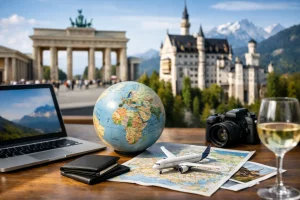
Germany works particularly well for incentive travel when clients want premium standards combined with operational control. Major cities offer excellent air access, strong hotel inventory, venues that will take your breath away, and cultural depth that can be translated into high-class services and memorable guest experiences. At the same time, destinations differ significantly. Berlin offers creative energy and iconic settings. Munich brings polish, tradition, and strong premium hospitality. Hamburg combines waterfront character with understated sophistication. The right choice depends on your audience and message.
A good destination should make execution easier, not harder.
Design the itinerary with rhythm
The best incentive trips have pace. They do not rush guests from one highlight to the next without breathing room, and they do not leave too much empty time that drains momentum.
A strong itinerary usually alternates stimulation and ease. After a travel day, guests may need a lighter welcome evening rather than a formal gala. After a conference-style morning or hosted session, the group may respond better to an outdoor cultural activity than another seated meal. If the final night is the emotional peak, the earlier days should build toward it.
Good rhythm is also practical. It reduces late arrivals, fatigue, and no-shows. It gives attendees time to enjoy the destination rather than just consume it. In incentive design, less can often feel more premium — provided what remains is executed beautifully.
Logistics are part of the guest experience
No attendee says, “The transfer operation was brilliant,” unless it was poor. Logistics become visible only when they fail. That is why they deserve more attention than they usually receive.
How to run incentive trips successfully depends heavily on what happens behind the scenes: realistic transfer times, clear arrival communication, rooming accuracy, dietary management, multilingual staffing, weather contingencies, and supplier coordination. These are not secondary details. They shape whether guests feel looked after or managed.
Precision is especially important with VIPs, mixed arrival schedules, and multi-venue programs. A private dinner in a remarkable setting loses impact if coaches arrive late, check-in takes too long, or guests are unclear on dress code and timing. Premium experiences rely on invisible control.
This is where a hands-on destination partner adds real value. Deep local knowledge, tested suppliers, and detailed on-site management reduce risk in ways that are difficult to replicate remotely.
Create moments worth qualifying for
An incentive trip should feel earned. That sounds obvious, but many programs become too close to standard corporate group travel. If there is no emotional difference between the winner experience and an ordinary off-site, the motivational power weakens.
Exclusivity does not always mean extravagance. It means intention. A private after-hours museum event can be more powerful than a costly but generic banquet. A well-hosted regional food experience can outperform a flashy dinner if it feels authentic, elegant, and carefully staged. Recognition also matters. Winners should feel seen, not simply processed through an itinerary.
This is where storytelling becomes useful. What are attendees being invited into? A celebration of achievement, a circle of top performers, a first-class look at a destination, a curated journey through culture and hospitality? When the story is clear, the choices around venue, entertainment, gifts, and communications become sharper.
Measure success beyond attendee satisfaction
Post-trip surveys matter, but they should not be the only measure. A successful incentive program should be evaluated against the original objective. Did qualification performance improve? Did high-value participants attend? Did the trip strengthen loyalty, internal culture, or partner engagement? Did the program support the brand image your company wanted to project?
Not every outcome can be measured immediately. Some incentive trips create long-tail value through retention, internal reputation, or stronger partner relationships. Still, you need a framework. Otherwise, planning decisions become subjective and future budgets become harder to defend.
Good reporting should include attendee feedback, operational review, budget performance, and recommendations for the next cycle. The strongest planners treat each trip as part of a longer incentive strategy rather than a one-off reward.
Why expert execution matters
Incentive travel sits at the intersection of hospitality and high-stakes event management. It needs creativity, but creativity without control is expensive. It needs precision, but precision without atmosphere feels cold. The real skill is combining both.
That is why many corporate clients and agency partners choose a specialist DMC rather than managing everything through fragmented suppliers. A strong local partner can align destination selection, sourcing, attendee management, transportation, venues, dining, and special experiences into one coherent program. For clients entering Germany, My German DMC is built around exactly that model — bespoke planning, premium standards, and execution that protects both guest experience and brand reputation.
The real test of an incentive trip is simple. When guests return home, do they talk about the hotel, or do they talk about how the entire experience made them feel? If you want the answer to support motivation, loyalty, and future performance, plan with the same precision you expect from the results.