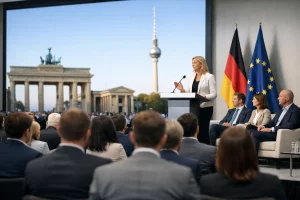
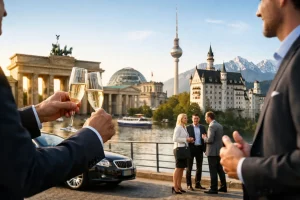
A board member lands in Frankfurt at 7:10 a.m., needs to be in a Munich strategy session by noon, expects discreet ground handling, and wants dinner moved from formal to private and understated by late afternoon. That is where executive travel planning Germany stops being a booking exercise and becomes a matter of judgment, timing, and local control.
For companies bringing senior leaders, investors, clients, or internal decision-makers to Germany, the margin for error is small. Executive travelers are not simply looking for transportation and a hotel. They need time protected, standards maintained, and every touchpoint aligned with the purpose of the visit. Whether the agenda is a board meeting in Berlin, a plant tour in Stuttgart, a client dinner in Hamburg, or a conference program spread across several cities, the quality of planning shapes the business outcome.
What executive travel planning Germany really involves
At an executive level, travel planning is part logistics and part reputation management. The right plan must account for flight schedules, transfer times, hotel suitability, meeting flow, security preferences, cultural expectations, and the level of hospitality appropriate for the guest profile. It also has to work under real conditions, not just on paper.
Germany rewards detailed preparation, but it also presents a few planning realities that international teams often underestimate. Distances between major business hubs are manageable, yet the most efficient route is not always obvious. A direct transfer may look simple until trade fairs, rail disruptions, airport congestion, or citywide events put pressure on timing. The strongest plans are built around operational awareness rather than assumptions.
This is why executive travel planning should not be approached as a standard corporate booking process. Senior itineraries tend to change quickly. A last-minute attendee addition, a venue adjustment, an earlier arrival, or a dinner that now requires privacy and elevated service can alter the entire day. Precision matters, but so does flexibility.
The difference between corporate travel and executive-level planning
Many companies already have a travel policy and a global booking tool. That works well for routine business trips. Executive travel is different because priorities shift from cost control alone to continuity, discretion, efficiency, and guest experience.
An executive traveler may need an airport arrival process that minimizes waiting time, a hotel selected for privacy rather than room rate, and transport timed to allow a call between appointments rather than simply getting from A to B. A CFO attending a financing meeting, a CEO hosting international partners, and a leadership team arriving for an incentive extension will each require a different planning logic.
There is also the issue of optics. Premium hospitality is not excess when it supports relationship-building, protects executive bandwidth, or reflects the importance of the event. In Germany, business culture generally appreciates structure, punctuality, and professionalism. High-class services are most effective when they feel polished and intentional rather than showy.
Why Germany demands local insight
Germany is one market, but it does not behave like one city. Berlin, Munich, Frankfurt, Düsseldorf, Hamburg, and Stuttgart each have their own pace, supplier landscape, venue style, and event rhythm. What works for an executive summit in Munich may not suit a leadership dinner in Berlin or a product presentation near Frankfurt.
Local knowledge becomes especially valuable when venue selection and travel planning intersect. A beautiful hotel may be wrong for a delegation if transfers are inefficient. A venue that will take your breath away may still fail the brief if access is difficult, confidentiality is weak, or the surrounding program lacks the right business tone.
Strong local supplier relationships also matter. Premium drivers, reliable hotels, discreet dining venues, interpreters, security support, and production teams are not interchangeable resources. In busy periods, access often depends on long-standing connections and fast decision-making.
Building an executive itinerary that works in practice
The best executive itineraries are disciplined. They protect time, reduce friction, and create the right atmosphere for each business objective. That starts with understanding the purpose of the trip, not just the calendar.
If the visit is focused on investor confidence, the itinerary should communicate control and credibility from arrival onward. If the goal is internal leadership alignment, the program may need more privacy, more room for candid discussion, and a setting that supports focus. If the executive group includes top clients, hospitality and destination design deserve greater weight.
Travel timing should then be built around realistic movement. Germany offers excellent infrastructure, but rail, road, and air each have trade-offs. High-speed train travel can be highly efficient between city centers, yet it is not always the best option for tight VIP schedules or groups with luggage and security needs. Chauffeured vehicles offer privacy and flexibility, but road time can become unproductive in congested corridors. Domestic flights may appear faster, though airport formalities can erode that advantage. The right answer depends on the route, the schedule, and the traveler profile.
Hotel selection deserves the same level of scrutiny. Executive guests usually need more than a recognized brand. They may require meeting space on short notice, early check-in support, strong concierge coordination, quiet rooms, and a location that fits the business agenda. Proximity matters, but so does atmosphere. A leadership offsite and a high-stakes negotiation call for different environments.
Executive travel planning Germany for meetings and events
When executive travel is connected to a meeting, conference, incentive, or board program, the complexity increases. The trip is no longer just about individual comfort. It becomes a moving part in a larger event architecture.
Arrival patterns need to support registration flow, room readiness, security requirements, and the opening tone of the program. Senior attendees should never feel as if they are being processed through the same logistical funnel as a large general group. The experience should be efficient, well-paced, and clearly managed.
This is where integrated planning makes a visible difference. Transportation coordination, attendee administration, venue timing, dining reservations, and cultural elements should support one another rather than compete. A private museum opening, a rooftop reception, or a refined dinner in a historic setting can be memorable, but only if transfer times, guest pacing, and service choreography are handled with care.
For US planners, one common challenge is calibrating the right level of hospitality in Germany. The market supports excellent premium experiences, but the most successful programs usually balance elegance with restraint. Guests should feel well looked after, not overproduced. Sophistication in Germany often comes through quality, punctuality, and attention to detail rather than overt display.
Risk management is part of the guest experience
Executive travelers rarely see the contingency plan, but they feel the difference when one exists. Backup vehicles, alternate routing, rooming adjustments, weather contingencies, and standby venue solutions are part of serious planning. The same is true for bilingual support, dietary management, VIP handling, and communication protocols for late changes.
Not every trip requires a full on-site team. That depends on scale, visibility, and stakeholder sensitivity. A small leadership visit may be best served by tightly managed pre-planning and responsive local coordination. A multi-city executive roadshow or conference-linked VIP program usually benefits from active ground management.
The practical point is simple: reducing operational risk protects both the executive schedule and the host company’s reputation.
What decision-makers should ask before approving a plan
Before confirming executive travel in Germany, it helps to ask a few direct questions. Does the itinerary protect decision-making time, or does it merely fill the day? Are the hotels and venues chosen for the actual guest profile, or just for brand familiarity? Is the transport plan based on local event patterns and traffic conditions? And if something changes three hours before arrival, who is authorized and equipped to solve it quickly?
These questions reveal whether a plan is premium in substance or only in appearance. Executive programs succeed when the invisible work is strong — supplier alignment, timing discipline, communication clarity, and the ability to adapt without drama.
For international organizations, there is additional value in working with a local destination partner that can connect travel, hospitality, meetings, and cultural programming under one operational lead. That is often the difference between a trip that feels fragmented and one that feels confidently managed from start to finish. My German DMC supports exactly this kind of planning for companies that expect precision, discretion, and premium execution across Germany.
Executive travel should make business easier, not more complicated. When Germany is planned with the right local expertise, senior guests can focus on the reason they came, while every detail around them works exactly as it should.