A factory visit outside Stuttgart in the morning, a private dinner in a Berlin landmark by evening, and a team experience in the Rhine Valley the next day — this is where corporate tours in Germany either become impressive business assets or overly complicated logistics exercises. For international companies, the difference usually comes down to one factor: how well the program is designed for business goals, not just sightseeing.
Germany works especially well for corporate groups because it combines infrastructure, credibility, and variety. Distances are manageable, rail and air connections are strong, and each major destination offers a distinct business and cultural profile. Yet that same variety can create planning friction if the program lacks local structure. A successful corporate tour should feel effortless to guests while being tightly managed behind the scenes.
Why corporate tours in Germany work for B2B events
Germany is not a one-note destination. Frankfurt suits finance, trade fairs, and short-format executive programs. Munich brings premium hospitality, automotive prestige, and polished social settings. Berlin offers creative energy, history, and statement venues. Hamburg adds maritime character and strong business infrastructure, while the Rhine region supports classic incentive travel with vineyards, castles, and elegant off-site events.
For corporate planners, this range matters. A board delegation, a distributor incentive, and a post-conference networking program should not look the same. Germany allows programs to be shaped around audience type, message, and pace. That flexibility is one of its strongest advantages.
There is also a reputational benefit. Hosting in Germany signals quality, order, and professionalism. For client entertainment, leadership events, or internal recognition programs, the destination itself supports the brand message. Guests tend to expect strong service standards and efficient operations — and when the event is planned correctly, those expectations are met with confidence.
What makes a corporate tour valuable, not just busy
The strongest programs start with a business reason. Sometimes that reason is relationship building. Sometimes it is market exposure, employee reward, dealer engagement, or executive alignment. Without that starting point, tours become crowded itineraries filled with activity but short on impact.
A well-built corporate tour balances three elements: business relevance, local character, and operational control. If the schedule is too focused on logistics, guests feel managed rather than hosted. If it leans too heavily into leisure without context, the event can lose strategic value. If every moment is programmed, there is no room for genuine conversation, which is often where the real return happens.
This is why bespoke design matters. A manufacturing group may benefit from technical visits, automotive heritage experiences, and formal dinners in high-class settings. A technology company may need innovation-focused venues, modern neighborhoods, and less ceremonial programming. A global sales team may respond better to recognition moments, informal networking, and destinations with visual impact. The right tour does not follow a template. It reflects the audience.
Corporate tours in Germany by destination
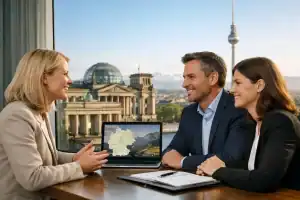
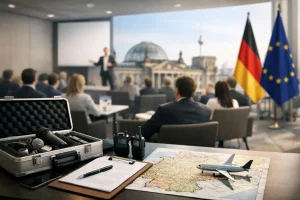
Berlin is often the best choice for companies that want contrast and energy. The city supports conferences, leadership meetings, cultural touring, and exclusive evening events with unusual ease. It is particularly effective for groups that want a modern business setting with a strong historical layer. That said, Berlin programs need careful time planning. Traffic, large distances between districts, and venue access windows can affect flow if not managed precisely.
Munich is a premium option for incentives, executive groups, and customer hospitality. Service standards are consistently high, the hotel landscape is strong, and the surrounding region opens excellent options for lakes, mountain scenery, automotive experiences, and refined dining. Munich is less about edge and more about polish. For many corporate audiences, that is exactly the point.
Frankfurt is underestimated when planners focus only on trade fairs and banking. It works extremely well for short corporate stays, international arrivals, and efficient business programs. With the right venue selection and evening design, Frankfurt can move beyond convenience and deliver real sophistication. It is particularly useful when time is tight and attendee travel efficiency is a priority.
Hamburg offers a different tone — elegant, maritime, and slightly more understated. It suits board meetings, customer events, and incentive groups that prefer substance over spectacle. Harbor-related experiences, warehouse district settings, and private water-based programs can create memorable guest moments without forcing the agenda.
The Rhine Valley, Heidelberg, Dresden, and Bavaria provide strong options when the objective is reward, relationship building, or cultural depth. These destinations are ideal when companies want scenery, heritage, and venues that will take your breath away. The trade-off is that such programs require more transportation planning and tighter supplier coordination than a city-based event.
The planning details that shape the guest experience
Guests usually remember the welcome, the pace, the food, the setting, and whether the event felt smooth. They do not always see the dozens of operational decisions that create that impression. For planners, those details are where risk sits.
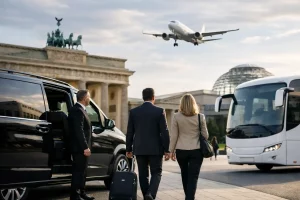
Transportation is a good example. A simple itinerary on paper can become fragile if airport arrivals are spread across multiple terminals, hotel check-in timing is misaligned, or a dinner venue requires staggered access. Germany is efficient, but corporate groups still need routing logic, realistic transfer times, and contingency planning.
Hotel sourcing also affects more than budget. For a corporate tour, location, room inventory, meeting space, brand fit, and service consistency all shape the program. A luxury property may be the right choice for a leadership event, while a modern design hotel near a conference venue may serve a younger or more time-sensitive group better. Premium does not always mean formal. It means appropriate, reliable, and well-executed.
The same principle applies to dining and cultural elements. Not every group needs a grand gala. Some benefit more from a private brewery experience, a dinner in an industrial-chic venue, or a small-format culinary event with space for real conversation. The strongest programs respect corporate objectives and guest profile rather than chasing generic highlights.
Why local expertise matters more in Germany than many planners expect
From the outside, Germany can appear easy to organize. The infrastructure is strong, suppliers are professional, and major cities are internationally connected. All of that is true. It is also exactly why expectations are high.
When a destination is known for precision, mistakes stand out more clearly. A late coach, a venue mismatch, unclear guest communication, or an overambitious schedule can undermine an otherwise excellent event. Corporate tours succeed here when planning is realistic, supplier management is disciplined, and every touchpoint is considered in advance.
Local knowledge is not only about knowing what is available. It is about knowing what fits. Which venue works for executive dining and not just for beautiful photos. Which district feels convenient in theory but causes delays at peak times. Which team-building format energizes an international group and which one creates awkwardness. That level of judgment comes from hands-on delivery, not from a brochure.
This is where a full-service destination partner adds real value. Companies and agencies often need a single point of control for venue sourcing, accommodations, attendee management, transportation, program timing, and on-site support. The benefit is not merely convenience. It is risk reduction, consistency, and the confidence that premium experiences will be backed by disciplined execution. That is the standard My German DMC is built to deliver.
How to choose the right format for your group
The right corporate tour format depends on who is coming and what the event needs to achieve. An executive delegation may need privacy, concise timing, and elevated hospitality. A top-performer incentive may call for more emotion, scenic settings, and standout social moments. A client program often benefits from a lighter business agenda and more room for relationship building.
Group size also changes the design logic. Smaller groups can access more exclusive venues and move with greater flexibility. Larger groups need stronger flow management, scalable dining concepts, clear registration processes, and venues with operational depth. Neither is inherently easier. They simply require different planning frameworks.
Season matters as well. Christmas market season can create exceptional atmosphere for corporate hospitality, but it also increases demand and compresses availability. Summer opens outdoor venues, lake programs, and vineyard experiences, yet weather planning becomes more important. Shoulder seasons often offer the best balance of pricing, access, and comfort.
For decision-makers, the key question is not which German city is best in general. It is which destination and format best support your specific commercial, cultural, and guest objectives.
A well-executed corporate tour should leave guests feeling looked after, impressed, and genuinely connected to the purpose of the event. That outcome rarely happens by accident. It comes from clear objectives, thoughtful local design, and the kind of precise delivery that lets your team focus on the people in the room instead of the moving parts around them.