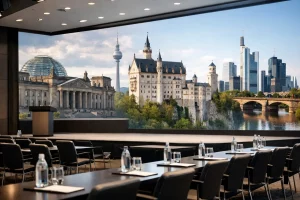
A gala dinner in a historic Berlin venue, a leadership meeting in Munich, or an incentive program along the Rhine can look effortless to guests. Behind that experience is a supplier network that must perform precisely under pressure. Knowing how to select German event suppliers is therefore less about collecting the lowest quotes and more about assembling partners whose standards, local knowledge, and operating discipline match the importance of your program.
For international planners, Germany offers exceptional infrastructure, striking venues, excellent hospitality, and highly capable specialists. It also has detailed regulations, regional differences, and planning expectations that can quickly expose weak supplier selection. The right partners protect the guest experience and give your team confidence from the first site inspection through final departure.
Start With the Event Outcomes, Not a Supplier List
A supplier should be selected against a clear brief, not a generic category. Before requesting proposals, define the business purpose of the event, the audience profile, the level of hospitality expected, and the moments that must be flawless. A conference for 800 delegates requires a different supplier mix than a 60-person executive incentive, even when both take place in the same city.
Be specific about non-negotiables. These may include multilingual registration support, executive vehicle standards, dietary requirements, staging specifications, sustainability targets, or a venue capable of hosting a branded gala without compromising on atmosphere. Clarify who has decision-making authority, what approval process applies, and where budget flexibility exists.
This work prevents a common mistake: comparing proposals that appear similar but solve fundamentally different problems. A lower transportation quote, for example, may exclude dispatch coverage, baggage handling, contingency vehicles, or late-night service. Those omissions matter when international flights arrive late and senior guests are waiting.
How to Select German Event Suppliers by Capability
A polished presentation and an attractive rate card are not sufficient evidence of capability. Ask suppliers to demonstrate how they have delivered comparable programs in your destination, at your group size, and at your required service level. The most relevant experience is operational, not simply visual.
For venues, evaluate access, loading procedures, technical restrictions, noise limits, curfews, and guest flow alongside design and capacity. A dramatic industrial location may be ideal for a product launch, but it may require more power distribution, heating, security, and transportation coordination than a purpose-built hotel ballroom. The venue with the lowest hire fee is not always the most cost-effective choice once production and logistics are included.
For hotels, look beyond room rate and star category. Confirm room inventory on peak nights, meeting-space proximity, breakfast capacity, VIP handling, luggage logistics, and the hotel’s willingness to protect your group’s arrival and departure experience. In major cities during trade fairs, large conventions, and seasonal demand peaks, availability can change quickly. Strong local relationships often make the difference between a workable option and an exceptional one.
For technical production, catering, transport, guides, entertainment, and staffing, request a named operational lead rather than relying only on a sales contact. You need to know who will answer the phone during a schedule change, who can make decisions on site, and how escalation works when timing becomes critical.
Ask for Relevant References and Real Scenarios
References are most useful when they reveal how a supplier behaves when plans change. Ask about their response to a delayed flight manifest, a last-minute dietary request, a weather disruption, or an unexpected increase in attendance. Premium service is defined in these moments, not in a standard proposal.
It is also reasonable to request examples of comparable client programs, while respecting confidentiality. An experienced supplier should be able to explain the challenge, the solution, and the result without disclosing sensitive client information.
Verify Compliance, Safety, and Commercial Clarity
Germany’s reputation for precision extends to event operations. That is an advantage when suppliers are properly prepared, but it requires careful due diligence. Verify public liability insurance, relevant licenses, health and safety procedures, and staff qualifications where applicable. For transportation, confirm that the operator has the correct permissions, sufficient fleet capacity, and a practical backup plan.
Data handling deserves equal attention. Registration teams, hotels, and transport providers may process attendee names, contact details, travel schedules, and dietary information. Establish how personal data is stored, shared, retained, and protected under GDPR requirements. A supplier that is vague about data responsibility can create unnecessary risk for a corporate client.
Commercial terms should be equally transparent. Request a detailed scope that distinguishes included services from optional items, estimated charges from fixed costs, and supplier fees from third-party expenses. Confirm VAT treatment, payment milestones, cancellation terms, overtime rules, setup and breakdown charges, and currency assumptions if your organization is contracting from outside the eurozone.
Do not treat contractual discipline as a barrier to creativity. Clear terms give the creative team room to deliver, because everyone understands the budget, authority, and contingencies from the outset.
Assess Local Reach Without Losing Accountability
A nationwide event may require suppliers in Frankfurt, Hamburg, Berlin, Munich, and beyond. It can be tempting to appoint a different local provider for every element. In some cases, that is appropriate, especially when a destination-specific specialist has unique access to a venue, artist, or cultural experience.
However, multiple direct contracts can also dilute accountability. Each handoff creates a potential gap in communication, timing, and financial control. The question is not whether local or centralized sourcing is better. It is whether one experienced lead has complete visibility across every supplier and the authority to resolve issues before guests notice them.
A qualified DMC can add considerable value here. My German DMC coordinates local specialists through one strategic framework, combining destination knowledge with a single point of responsibility for program design, sourcing, attendee logistics, and on-site delivery. This model is particularly effective for international teams that need regional access without managing a fragmented supplier base.
Look for Collaboration, Not Just Responsiveness
Fast replies are welcome, but speed alone is not a measure of quality. A strong German event supplier asks intelligent questions, flags potential operational issues early, and offers alternatives that serve the event objective. They do not simply agree to every request and leave the consequences for later.
During the proposal stage, assess the quality of their thinking. Do they identify traffic patterns around the venue? Do they understand the timing implications of airport arrivals across multiple terminals? Can they recommend a cultural element that feels authentic rather than predictable? Do they explain why a particular setup, routing, or schedule is advisable?
This consultative approach is especially valuable for high-profile gatherings. A supplier who challenges an unrealistic load-in window or proposes a more reliable transfer sequence may save the program from avoidable disruption. The best partners protect both the creative ambition and the practical reality of the event.
Use a Fair Comparison Process
When comparing suppliers, create one evaluation framework and use it consistently. Price should be considered, but it should sit alongside service quality, relevant experience, operational depth, flexibility, compliance, financial stability, and cultural fit with your team. For a premium corporate event, the cheapest proposal can become the most expensive if it leads to rushed changes, guest dissatisfaction, or reputational damage.
Where possible, compare like for like by giving every bidder the same brief, event dates, attendee profile, and expected deliverables. If a proposal is significantly lower, ask what has been excluded rather than assuming it represents better value. Conversely, a higher-cost supplier should be able to justify the difference through stronger staffing, superior equipment, deeper planning, or more complete risk coverage.
For major programs, a site inspection or structured supplier meeting is worth the investment. It reveals details that documents cannot: punctuality, communication style, equipment condition, staff presentation, and whether the supplier understands the standard your brand expects.
Build Contingency Into the Selection Decision
No event plan is immune to change. Rail disruptions, weather, citywide traffic, delayed aircraft, and sudden program adjustments require calm, prepared responses. Select suppliers based on the resilience of their operation, not the assumption that nothing will go wrong.
Ask what they keep in reserve. This might include backup vehicles, additional crew, alternative venue spaces, replacement entertainment, or a secondary technical solution. More importantly, ask how quickly they communicate an issue, who approves additional spend, and how they keep guests insulated from disruption.
A dependable supplier does not promise that every variable can be controlled. They show that they have considered the variables, assigned ownership, and prepared credible alternatives.
The most memorable German programs pair venues that will take your breath away with planning that guests never have to think about. Choose suppliers who can deliver both: refined hospitality in the foreground and disciplined execution behind it. When every partner understands the purpose, standards, and pressure points of the program, your event team is free to focus on the people in the room and the outcomes that brought them to Germany.