A conference agenda can be perfectly timed, the venue can be spectacular, and the speakers can be exceptional. Yet a delayed lunch, an overlooked dietary request, or a crowded coffee station can quickly become the detail attendees remember. Corporate catering services are not a side arrangement. For meetings, incentives, conventions, and client events, they are a visible expression of how well an organization values its guests.
For international groups in Germany, catering also requires more than selecting attractive menus. It calls for local supplier knowledge, careful timing, venue-specific planning, and a clear understanding of the event’s purpose. The right food and beverage concept keeps people comfortable, energized, and engaged while reinforcing the quality of the entire program.
What Corporate Catering Services Must Deliver
Professional corporate catering must work on two levels at once. It should feel generous and effortless to guests, while behind the scenes it must operate with precise structure. That includes delivery access, service staffing, kitchen capabilities, setup windows, table layouts, food safety requirements, and coordination with the venue’s event schedule.
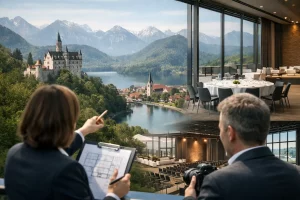
The experience should also match the occasion. A board meeting in Frankfurt may require discreet, polished service and a concise business lunch. A product launch in Berlin may call for creative stations, a high-energy reception, and presentation-driven details. An incentive program in Bavaria might be best served by a refined regional dinner that gives international guests a genuine sense of place.
The goal is not simply to provide food. It is to create an appropriate rhythm for the day and an atmosphere that supports the business objective.
Catering is part of attendee experience
Guests rarely separate catering from the wider event experience. They notice whether coffee is ready before the morning session begins, whether lunch is easy to navigate, and whether a reception creates opportunities for meaningful conversation. They notice whether dietary needs are handled confidently, without requiring a guest to repeatedly explain them.
This is especially relevant for large conferences and multinational groups. A menu that looks impressive on paper can create bottlenecks if it is not designed around delegate volume, break duration, and room flow. Conversely, well-planned catering can reduce congestion, encourage networking, and give attendees a welcome reset between demanding sessions.
Start With the Event, Not the Menu
The strongest catering concepts begin with a brief that goes beyond headcount. Before discussing individual dishes, define who is attending, what the schedule demands, and what message the host wants to convey.
A leadership retreat, for example, benefits from a calm, residential atmosphere with uninterrupted service and flexible meal timing. A sales conference may need fast, substantial lunches that return hundreds of delegates to the program on schedule. A gala dinner deserves a more theatrical approach, with beautifully paced courses, thoughtful wine pairing, and service that complements the evening’s production.
Location matters as well. Germany offers remarkable culinary range, from contemporary dining in Hamburg and Berlin to wine-country traditions along the Rhine and sophisticated alpine hospitality in southern Bavaria. Regional character can make an event feel distinctive, but it should never become a gimmick. The best approach balances local flavor with the preferences and expectations of an international audience.
Design Menus for Choice, Inclusion, and Energy
Modern corporate groups expect thoughtful dietary planning. Vegetarian, vegan, gluten-free, dairy-free, halal, kosher-style, allergy-conscious, and culturally specific requirements should be identified early and managed as part of the core menu strategy, not added as an afterthought.
That does not mean every menu needs to become overly complex. It means dishes should be planned intelligently. Clearly labeled selections, separate serving utensils where needed, and staff who understand ingredients are often more valuable than an excessively broad buffet. For plated meals, advance meal tracking and discreet place identification can protect the guest experience while keeping service efficient.
Timing is equally important. Heavy lunches may not suit a program that requires concentration through the afternoon. Short breaks need food that can be enjoyed comfortably while networking, rather than complicated items that slow guests down. Evening receptions should provide enough substantial food if dinner follows late, particularly after a full day of travel or meetings.
A good catering partner will ask practical questions: How long is the break? Will guests be seated or standing? Is the next session highly interactive? Are attendees arriving from long-haul flights? These details shape better decisions than trends alone.
Choose the Right Service Style
There is no single ideal format for corporate catering services. The most suitable service style depends on guest numbers, program pace, venue configuration, and the desired level of formality.
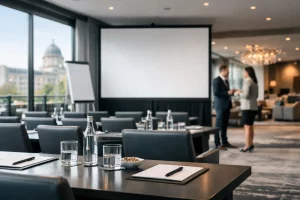
A plated lunch provides structure and is well suited to executive meetings, awards programs, and gala occasions where presentation matters. It requires precise timing and sufficient service staff, but it can create an elevated, composed atmosphere. Buffets offer variety and can accommodate diverse dietary needs effectively, though they need careful station placement to avoid lines.
Food stations are particularly effective for receptions, networking events, and creative programs. They can create movement in the room and encourage conversation, especially when stations are distributed across a distinctive venue. Family-style dining can feel warm and communal for smaller groups, but it needs adequate table space and a menu designed for sharing.
Coffee breaks deserve the same level of attention. A standard pastry-and-coffee setup may be entirely appropriate for a short internal meeting. For a premium incentive group or client-facing event, a more considered break with seasonal fruit, savory choices, barista coffee, and elegant presentation can strengthen the event’s perceived value.
Plan Around the Venue’s Realities
A historic castle, industrial hall, museum, rooftop, or private estate can provide a setting that will take your breath away. Each venue, however, comes with operational realities. Some have limited kitchens. Others have strict delivery times, noise restrictions, protected interiors, or limited elevator access. Outdoor venues require contingency plans for weather, power, refrigeration, and guest comfort.
This is where local management makes a measurable difference. The caterer, venue team, production supplier, transportation coordinator, and event manager must work from one detailed plan. If coaches arrive late from an off-site activity, can the meal service be adjusted? If a keynote runs over, can the kitchen hold quality without compromising the next course? If an outdoor reception moves indoors, is there a practical layout ready to implement?
These are not dramatic concerns. They are the ordinary details that determine whether an event remains calm and polished when conditions change.
Budget for Quality Where Guests Feel It
Catering budgets should be evaluated in terms of total guest impact, not just per-person menu prices. A lower quote may exclude staffing, furniture, glassware, delivery, setup, late-night service, or dietary accommodations. It may also assume a service format that is less appropriate for the group than it first appears.
Transparency is essential. Ask for clarity on what is included, how beverages are calculated, whether service charges apply, and what happens if guest numbers change close to the event date. For multiday programs, a consistent standard matters, but repetition does not. Guests appreciate variety in menus, presentation, and setting while still receiving reliable service throughout.
There are times when investing more is justified: a senior leadership dinner, a client event where brand perception is central, or an incentive experience intended to reward top performers. For internal training days, the priority may be speed, practicality, and nutritional balance. Premium hospitality is not always about extravagance. It is about selecting the right standard for the moment.
Why Local Coordination Protects the Experience
For overseas planners, coordinating catering from a distance can introduce unnecessary risk. Language differences, local customs, regional supplier practices, and unfamiliar venue restrictions can lead to assumptions that surface too late. A knowledgeable DMC provides a single point of accountability while bringing together the right local partners.
My German DMC approaches catering as part of the full event architecture. Menu planning is coordinated with venue selection, attendee data, transportation schedules, entertainment, production, and the overall flow of the program. This integrated approach helps ensure that a lunch is not just beautiful, but served at the exact time guests arrive; that a gala dinner is not simply elegant, but supported by the right technical and operational framework.
For corporate planners, that means fewer disconnected supplier conversations and greater confidence that every touchpoint has been considered.
Make the Final Meal Matter
The last coffee break, farewell lunch, or gala dinner often shapes the final emotional impression of a program. It is an opportunity to recognize guests, celebrate achievement, or simply give people time to connect before they travel home. Treat it as more than a closing obligation.
When catering is planned with local knowledge, operational discipline, and genuine hospitality, guests do not just remember what they ate. They remember an event that felt considered at every turn. Request a tailored catering concept that gives your guests that confidence from their first coffee to their final toast.