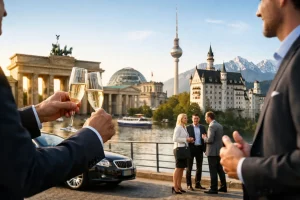
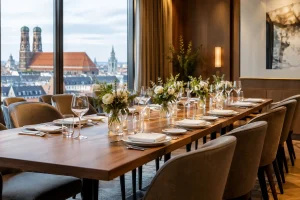
A board meeting in a standard hotel ballroom can be perfectly efficient. A product launch beneath the glass dome of a former industrial landmark, a leadership retreat overlooking the Alps, or a gala in a baroque palace creates a different kind of memory. The best corporate event venues Germany offers are not defined by appearance alone. They bring together a compelling setting, reliable operations, excellent access, and the flexibility to support the precise objectives behind your event.
For international planners, Germany is especially strong because it offers contrast without compromising on infrastructure. Major cities provide international airlift, first-class hotels, and advanced convention facilities. Historic towns, vineyards, lakes, and mountain regions add incentive appeal within a manageable travel radius. The right venue depends on your guest profile, program format, budget, and the experience you want attendees to take home.
What Makes a Corporate Venue Worth Booking?
A remarkable venue must work before guests ever see it. For a conference, that means room flow, ceiling height, stage sightlines, loading access, breakout capacity, dependable technical production, and clear registration areas. For an incentive or gala dinner, it also means atmosphere, exclusivity, cuisine, and an arrival sequence that feels considered rather than complicated.
Location is equally decisive. A dramatic venue 90 minutes from the airport may be ideal for a two-night leadership retreat, but it can create unnecessary friction for a one-day sales meeting with attendees flying in from several countries. Germany’s rail network is a major advantage, yet rail transfers still need to be aligned with flight schedules, luggage requirements, and the final-mile journey.
The most successful venue choice is therefore rarely a simple search for the largest room or the most photogenic space. It is a match between business purpose and operational reality. An experienced destination partner will test both from the beginning, including permit requirements, noise restrictions, supplier access, weather contingencies, and the guest experience between agenda items.
Best Corporate Event Venues Germany: Destinations That Deliver
Berlin: Creative Energy and Landmark Scale
Berlin is a natural choice for companies that want their event to feel current, international, and visibly different. The city combines large congress capacity with former power stations, historic courtyards, museum settings, rooftop spaces, and contemporary design hotels. It is particularly effective for technology meetings, product launches, agency conferences, customer events, and international conventions that need a strong visual identity.
The trade-off is choice. Berlin has an extraordinary number of possible locations, but distances across the city can be substantial and the most sought-after dates fill early. Venue selection should be coordinated with hotel blocks, airport arrival patterns, security needs, and evening transport. When these details are handled precisely, Berlin offers an event canvas with very few limits.
Munich: Premium Hospitality and Alpine Access
Munich brings polish, commercial credibility, and an exceptionally high standard of hospitality. It works beautifully for executive meetings, automotive programs, financial-sector gatherings, and incentive groups looking for refined service. Elegant hotels, major convention venues, brewery halls, royal residences, and private dining settings provide very different ways to host the same audience.
Its wider setting is part of the appeal. The Bavarian Alps, lakes, castles, and traditional mountain lodges can turn a formal meeting into a complete incentive journey. A city-based conference can be followed by a curated alpine experience, while still keeping travel practical. Munich is often a premium-priced destination, especially during major trade fairs and peak summer dates, so early sourcing is essential.
Frankfurt: Efficient for International Meetings
For programs where arrival efficiency is a priority, Frankfurt is difficult to overlook. Its airport offers exceptional global connectivity, and many venues are within easy reach of the city center, exhibition grounds, and business district. This makes Frankfurt highly suitable for annual meetings, financial and professional-services conferences, roadshows, and short-format gatherings where every hour matters.
The city’s appeal is not limited to formal convention spaces. Modern skyline venues, riverside settings, wine estates in the nearby Rheingau, and historic properties outside the city create opportunities for a more distinctive evening program. Frankfurt may not be the first destination planners associate with incentive travel, but it is a highly intelligent base when time, access, and operational control are central to the brief.
Hamburg: Waterfront Character and Sophisticated Evenings
Hamburg has a confident, understated character that works well for senior audiences, customer hospitality, and creative corporate events. The harbor, canals, warehouse district, and maritime heritage give the city a sense of place that is immediate and authentic. Concert halls, waterfront buildings, private event spaces, and historic warehouses can support gala dinners and receptions with real atmosphere.
Hamburg is especially strong when a program needs to balance business content with relaxed, high-class experiences. Private harbor cruises, chef-led dinners, and waterfront receptions add value without requiring a long transfer out of the city. Weather should be considered for outdoor concepts, but a thoughtful contingency plan makes the destination reliable throughout the year.
Cologne and Düsseldorf: Strong Choices for Trade and Industry
The Rhine-Ruhr region offers two powerful options for business-driven events. Cologne is known for its major trade fair infrastructure, vibrant old town, and impressive riverside settings. Düsseldorf combines international business appeal with fashion, art, Japanese culinary culture, and polished hotels. Both cities are well suited to conventions, exhibitions, dealer meetings, and corporate hospitality connected to industrial or commercial sectors.
The advantage here is regional access. Delegates can arrive through several airports, and the area’s dense transport network supports multi-site programs effectively. Industrial architecture and riverside venues can create a memorable contrast to formal daytime meeting spaces. The key is to avoid treating the region as a single destination. Hotel availability, traffic patterns, and venue character vary significantly by neighborhood and city.
Bavaria, the Black Forest, and Wine Country: Retreats With Purpose
Not every corporate event needs a city skyline. Germany’s countryside is exceptionally effective for leadership off-sites, reward travel, strategy workshops, and team-building programs that benefit from focus and privacy. Alpine resorts in Bavaria provide striking scenery and active experiences. The Black Forest offers forested landscapes, spa hotels, and a quieter pace. Wine regions such as the Mosel, Rhine, and Franconia bring vineyard dinners, historic estates, and local gastronomy into the program.
These destinations require more careful logistics than a city conference. Transfer times, luggage movements, coach access, and the availability of multilingual staffing need to be planned in detail. In return, they give groups something many urban meetings cannot: protected time, a strong emotional setting, and space for genuine connection.
Match the Venue to the Event Objective
The venue should reinforce the message of the event. A leadership summit needs privacy, strong meeting rooms, and enough comfort for candid discussions. A product launch needs visual impact, production capacity, and a guest journey that builds anticipation. A dealer conference may need exhibition access and efficient breakout rooms, while an incentive group benefits more from exclusivity, local storytelling, and exceptional food and service.
Capacity figures can be misleading. A venue may hold 500 guests for a standing reception but feel uncomfortable for a seated awards dinner with staging, entertainment, and a dance floor. Likewise, a room that is technically large enough for a conference can lose impact if the ceiling is low or the audience is too dispersed. Site inspections should examine the real event layout, not just the brochure dimensions.
A well-designed program also considers what happens around the venue. Arrival hospitality, restaurant reservations, transportation, cultural access, and tailored activities should support the same level of quality as the main event. This is where venue sourcing becomes destination management rather than a standalone booking exercise.
Plan Early, but Keep the Brief Flexible
Germany hosts major international fairs, congresses, sports events, and seasonal celebrations that can change availability and pricing quickly. For large groups or premium venues, begin the search 12 to 18 months in advance when possible. Smaller meetings may have more flexibility, but preferred hotels and distinctive private venues still require lead time.
Give your venue partner a clear brief on attendee origins, preferred dates, room setup, budget expectations, technical requirements, dietary needs, and the desired tone of the event. It also helps to identify what cannot be compromised. For one client, it may be direct airport access; for another, complete privacy or a venue that will take guests’ breath away.
My German DMC approaches venue selection as part of one accountable event operation, coordinating the setting with hotels, transportation, guest management, production, and curated local experiences. That integrated view reduces risk while protecting the premium quality of the guest experience.
The most memorable German event venues do more than provide a room. They give your business message a setting people can feel. Start with the outcome you need from the room, then choose the destination and venue capable of delivering it with confidence, character, and flawless execution.