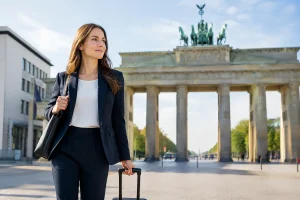
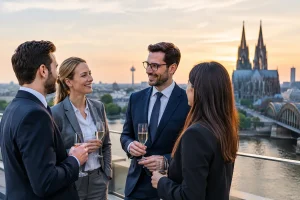
A board meeting in Frankfurt, a gala dinner in Berlin, and a team challenge in the Bavarian Alps may all take place in the same country, but they should never feel like the same event. Customized event programs in Germany give international companies the ability to turn a business objective into a well-orchestrated guest experience — with every venue, transfer, activity, and hospitality detail working toward a clear purpose.
For corporate planners, the real value is not simply access to attractive destinations. It is the confidence that a complex program will remain coherent from airport arrival through the final farewell. Germany rewards careful planning: its cities are highly connected, its standards are exacting, and its regional character is remarkably varied. The right local partner turns those strengths into an experience that feels personal to your audience while performing precisely behind the scenes.
Why Customized Event Programs in Germany Deliver More
A standard itinerary can fill a schedule. A customized program creates momentum. It considers who is attending, what the organization wants to achieve, the time available, and the impression guests should take home. That distinction matters for incentives, leadership meetings, client hospitality, product launches, and conferences where every detail reflects on the host company.
Germany is particularly well suited to this approach because its destinations offer distinct business and cultural profiles. Munich can bring together Alpine scenery, automotive heritage, refined hospitality, and historic beer halls. Berlin offers creative energy, landmark architecture, and contemporary event spaces. Frankfurt is an efficient international gateway for finance, trade fairs, and executive meetings. Hamburg adds maritime character, waterfront venues, and understated sophistication. Cologne, Düsseldorf, Dresden, Stuttgart, and the Rhine Valley each create different possibilities for a corporate group.
The destination should support the program, not dictate it. A leadership retreat may need privacy, calm surroundings, and space for focused conversation. A sales incentive may call for high-energy activities, premium dining, and memorable surprises. A congress program needs frictionless transportation, reliable attendee communication, and optional experiences that work around a demanding agenda. Customization begins with these operational and emotional requirements, then selects the destination and format that best serve them.
Start With the Outcome, Not the Activity
The most successful programs begin with a precise brief. Before recommending a castle dinner, private museum visit, culinary workshop, or team-building challenge, an experienced DMC asks what success looks like. Is the goal to reward top performers? Strengthen collaboration after a merger? Give customers meaningful access to senior leadership? Make a new market feel tangible to an international team?
That answer shapes every subsequent decision. A client event designed to deepen relationships may benefit from intimate table layouts, hosted conversations, and a venue with a strong sense of place. An employee incentive may place greater emphasis on shared achievement, pace, and exclusive access. A conference group may require short, optional programs with easy meeting-point logistics rather than a full-day excursion that creates attendance pressure.
A tailored concept also respects the makeup of the group. International attendees may have different comfort levels with local cuisine, mobility needs, language requirements, and expectations around free time. Senior executives often value privacy and punctuality above spectacle. Mixed-department groups may respond better to activities that encourage participation without forcing competition. A good program does not treat guests as a headcount. It anticipates how they will move, connect, recharge, and remember the experience.
Design a Program With a Clear Rhythm
The strongest schedules balance structure with breathing room. Guests should feel looked after, not processed. This is especially relevant for groups arriving from the United States or other long-haul markets, where jet lag can undermine an ambitious first-day agenda.
Arrival day may be best kept elegant and simple: efficient airport welcomes, a smooth hotel check-in, time to refresh, and a relaxed opening reception close to the property. The following day can carry the program’s high point, whether that is a conference session in an exceptional venue, a private cultural experience, or an evening designed for celebration. The final day should allow guests to depart with ease, while still offering an optional experience for those with later flights.
This rhythm is not a formula. A compact two-night executive meeting has different needs from a five-day incentive program across multiple cities. The point is to protect the guest experience while maintaining the discipline needed for corporate travel.
Precision Behind Every Personalized Detail
Customization is only credible when it is supported by excellent operations. A program may include venues that will take your breath away, but the experience can quickly lose its impact if coaches arrive late, registration information is unclear, or suppliers are working from different versions of the schedule.
For this reason, program design and project management should operate as one process. Venue selection must account for access, capacity, technical requirements, security, weather contingencies, and transfer times. Hotel sourcing must consider room categories, meeting proximity, group check-in procedures, and service consistency. A dinner location may be beautiful, but it must also support dietary requirements, production needs, and a realistic guest flow.
Transportation is a common area where local knowledge protects the program. Germany’s rail network and public transport systems are excellent resources in the right context, while private coaches, executive vehicles, or coordinated rail tickets may be better suited to another group. Major city traffic patterns, trade fair dates, seasonal demand, and access restrictions can all influence the best route and timing. What looks close on a map is not always the most efficient guest journey.
Build Contingencies Into the Experience
Premium event delivery is not about assuming nothing will change. It is about preparing for change without letting guests notice the adjustment. Outdoor experiences need credible indoor alternatives. Flight disruption requires an arrival process that can adapt. A venue plan should allow for technical issues, unexpected weather, and last-minute attendee changes.
There are trade-offs. Exclusive venues and peak-season dates can elevate the experience but may limit flexibility or increase the budget. Programs that cross several destinations create variety, yet they can reduce time for meaningful interaction if transfers are not carefully managed. Highly personalized elements make a group feel valued, but they should not become so complex that they compromise timing or consistency.
The right balance depends on the audience, investment level, and program objective. A local DMC brings practical judgment to these decisions, ensuring that creative ambition is matched by deliverable detail.
Experiences That Feel Authentically German
Corporate groups increasingly want more than a sightseeing checklist. They want access to the character of a destination in a way that feels considered, relevant, and exclusive. Germany offers exceptional range, from industrial innovation and contemporary design to music, wine, craft, architecture, and regional cuisine.
A program in Stuttgart might connect a business audience with automotive culture through a private experience and a high-class dinner overlooking the city. In Hamburg, a harbor-focused itinerary can combine maritime history with a sophisticated evening in a waterfront setting. A Rhine Valley incentive can pair vineyard hospitality with a scenic cruise, castle setting, and carefully paced transfers. In Berlin, street art, architecture, culinary neighborhoods, and landmark venues can be shaped into a program that feels current rather than conventional.
Authenticity requires restraint. Not every group needs lederhosen, a beer-hall evening, or a castle visit. These can be excellent choices when they suit the group and the occasion, but they should be selected because they support the event story, not because they are expected. The best experiences are locally rooted, professionally delivered, and appropriate to the people in the room.
One Partner, One Standard of Delivery
International planners often manage multiple stakeholders: internal leadership, agency teams, travel departments, speakers, attendees, and local suppliers. A single-source DMC partner reduces the risk of fragmented communication and uneven service. It provides one operational view of the program while coordinating the specialists required to deliver it.
That means attendee administration can align with hotel rooming lists. Transport manifests can reflect flight updates. Venue teams can receive accurate production schedules. Hosts can work from the same guest information as transfer coordinators. These details may not be visible in a proposal, yet they are what create a calm, polished experience on site.
My German DMC approaches customized programs as both a hospitality assignment and a business-critical project. The objective is to give planners confidence in every moving part while giving guests the sense that the event was designed specifically for them.
When planning a program in Germany, begin with the outcome you want people to carry back to the office: stronger relationships, renewed motivation, sharper alignment, or a lasting connection to the destination. From there, request a concept that is as exact in its logistics as it is distinctive in its experience.