When incentive travel has to impress seasoned executives, top performers, or key clients, Germany often wins on a rare combination — premium infrastructure, striking venues, and dependable logistics. The top incentive destinations in Germany are not just attractive on paper; they work exceptionally well for corporate groups that need memorable experiences delivered with precision.
For incentive buyers and event planners, that matters. A destination can be visually impressive, but if transfers are inefficient, venue access is limited, or service standards fluctuate, the experience loses impact quickly. Germany stands out because it supports ambitious program design without creating unnecessary operational risk.
What makes the top incentive destinations in Germany work
A strong incentive destination does more than provide a nice backdrop for a gala dinner. It needs enough variety to shape a full program around the group profile, business goals, and season. That includes premium hotels, distinctive event spaces, quality dining, well-managed transportation, and experiences that feel local rather than generic.
Germany performs particularly well here because its major cities and resort regions are built for business travel, yet they still offer character. One group may want automotive heritage and modern architecture. Another may prioritize castles, vineyards, or Alpine scenery. The right destination depends on the audience, the program length, and how much balance you want between business structure and emotional reward.
1. Berlin
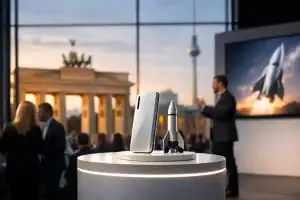
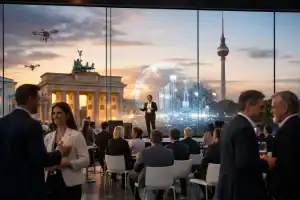
Berlin is often the first choice for international incentive groups that want energy, range, and a strong sense of occasion. The city can feel edgy, formal, creative, and historic within the same program, which gives planners unusual flexibility. You can move from a private museum event to a rooftop reception, then into a team activity shaped around Cold War history, street art, or innovation.
For larger groups, Berlin is especially effective because capacity is rarely the issue. There is broad hotel inventory across categories, excellent air access, and enough venue diversity to avoid repetition. It is also a good fit for companies looking to combine incentive elements with conference content or leadership meetings.
The trade-off is that Berlin is not the most intimate destination. If your incentive strategy depends on a more exclusive atmosphere, a smaller city or resort setting may serve you better.
2. Munich
Munich delivers a more polished and premium feel from the outset. It suits brands and corporate cultures that value refinement, excellent hospitality, and a clean operational framework. The city pairs high-end hotels and elegant venues with strong culinary options, luxury retail, and easy access to the Bavarian Alps.
What makes Munich particularly effective for incentive travel is its range beyond the city center. A program can include brewery heritage, lake excursions, mountain experiences, and sophisticated evening events without long travel days. That creates strong pacing for two- to four-day programs.
Munich is ideal for executive groups, automotive incentives, and client entertainment programs where image matters. Budget sensitivity is the main consideration, as premium service levels and high-demand dates can push costs upward quickly.
3. Hamburg
Hamburg is one of the most underrated options among the top incentive destinations in Germany. It offers a sleek maritime identity, impressive waterfront architecture, and a business-minded atmosphere that appeals to international corporate groups. The city feels substantial and cosmopolitan without being overwhelming.
For incentive design, Hamburg is excellent when you want a refined urban experience with strong visual impact. Harbor cruises, private events in historic warehouse settings, and gala dinners overlooking the Elbe create a memorable program without relying on clichés. The city also works well for groups that appreciate understated luxury rather than overt spectacle.
Hamburg is particularly strong for finance, technology, and professional services audiences. If your group wants Alpine adventure or a more relaxed leisure tone, however, southern Germany may offer a better fit.
4. Frankfurt
Frankfurt is sometimes overlooked because of its reputation as a financial hub, but that can be a strategic advantage. For companies flying in guests from multiple markets, access is excellent, and program flow is efficient from the first arrival to the final departure. That efficiency matters when time is tight or attendees are traveling on senior-level schedules.
The city itself combines modern skyline views with historic pockets, strong dining, and quality luxury hotels. Beyond Frankfurt, the Rhine-Main region opens up vineyard experiences, river cruises, castle settings, and private excursions into charming nearby towns. That means planners can use Frankfurt as both a headquarters city and a gateway.
Frankfurt is best when convenience and premium execution are priorities. If the brief calls for a destination with a more obvious leisure image, it may need stronger creative programming to shift perception.
5. Cologne and the Rhine
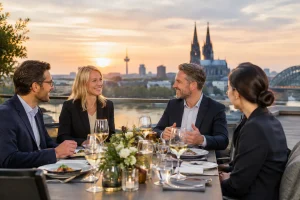
Cologne works very well for incentive groups that want warmth, culture, and easy regional access. The city has a more relaxed personality than Frankfurt or Munich, and that often translates into a welcoming guest experience. Its cathedral, old town atmosphere, and riverside setting give programs a strong sense of place.
The real advantage is the wider Rhine region. Scenic cruises, castle visits, wine-focused experiences, and exclusive dinners in historic venues can all be integrated smoothly. For international groups, that mix of accessibility and postcard scenery is highly effective.
Cologne is a strong choice for companies that want Germany to feel cultural and social rather than purely corporate. It may be less suitable for brands looking for cutting-edge urban image or highly exclusive resort-style privacy.
6. Dresden
Dresden brings elegance. For incentive buyers who want architecture, music, and a more distinctive cultural atmosphere, it offers one of the strongest settings in the country. The restored historic core creates a high-class backdrop for receptions, private concerts, and formal dinners.
This is a destination that works particularly well for smaller or mid-sized groups where experience quality matters more than scale. It feels curated and refined, which can be valuable for customer incentives, leadership retreats, and VIP programs.
Dresden is less about fast-paced nightlife and more about sophisticated programming. That is a benefit for some audiences and a limitation for others. The right guest profile is essential.
7. Heidelberg and the surrounding region
Heidelberg is an excellent option when charm and intimacy are central to the brief. Its castle, riverside setting, and compact historic center create a setting that feels personal rather than corporate. For rewards programs with relationship-building at the center, that can be a real strength.
The destination works best for smaller groups, exclusive client trips, and executive incentives. It also pairs well with nearby wine country and regional culinary experiences. Programs here tend to feel elegant and relaxed, with less emphasis on large-scale production.
The trade-off is scale. Heidelberg is not built for very large incentive movements, and availability can tighten quickly for premium properties and exclusive-use venues.
8. Stuttgart and the automotive region
Stuttgart has a very specific advantage — it is one of Germany’s strongest destinations for automotive and engineering-driven incentive concepts. If your audience values innovation, design, craftsmanship, or industrial excellence, the city and its surrounding region can support highly targeted programming.
Museum buyouts, performance driving experiences, private factory-related events, and premium regional dining create a program with real thematic coherence. That is valuable when the incentive needs to align closely with brand identity rather than simply reward attendance.
Stuttgart is not the broadest leisure destination in Germany, so it tends to work best when there is a clear business or brand rationale behind the choice.
9. Garmisch-Partenkirchen and the Bavarian Alps
For companies that want a stronger reward feel, the Bavarian Alps are hard to beat. Garmisch-Partenkirchen offers mountain scenery, fresh air, upscale resorts, and experiences that create immediate emotional impact. It feels like a genuine escape while remaining manageable from Munich.
This is where incentive travel shifts from city-based hospitality to immersive reward programming. Alpine dining, cable car experiences, winter activities, and scenic team-building formats all add drama. For groups that have already seen Europe’s major capitals, this kind of destination often feels more special.
The main consideration is seasonality. Weather, road conditions, and activity planning require tighter coordination, especially for winter programs or shoulder-season schedules.
How to choose the right destination for your incentive program
The best destination is not always the most famous one. It is the one that fits your group dynamics, travel pattern, and business purpose. If attendance is international and time-sensitive, Frankfurt or Berlin may be the smartest choice. If you need polished luxury and strong reward value, Munich performs exceptionally well. If exclusivity and relationship-building matter more than scale, Dresden, Heidelberg, or the Bavarian Alps may deliver a better outcome.
Budget also changes the equation. A premium destination does not automatically mean a better incentive. Sometimes a more compact city with strong local character creates a more memorable guest experience because the pace feels easier and the program feels more personal.
That is where local destination management makes the difference. The most successful incentives are rarely built around a standard package. They are shaped around venue access, realistic timing, guest expectations, and the moments that make people remember why they were invited in the first place. For planners seeking that level of execution, My German DMC can turn a strong destination into a program that feels effortless from arrival to farewell.
Germany gives incentive buyers unusual range — major cities, cultural icons, wine regions, waterfront settings, and mountain escapes within one country, supported by service standards that corporate groups can trust. The real opportunity is not simply choosing one of the top incentive destinations in Germany, but selecting the one that best reflects the experience you want your guests to talk about long after they return home.