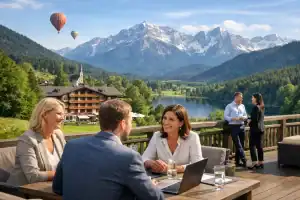
Germany rewards good planning and exposes lazy assumptions fast. A strong Germany incoming events guide is not just about picking Berlin over Munich or booking a stylish hotel in Frankfurt. For corporate groups, incentives, conferences, and executive meetings, success comes from understanding how German destinations function on the ground — from venue rules and transfer timing to regional character, supplier lead times, and guest expectations.
For international planners, that is where Germany becomes especially attractive. It offers excellent infrastructure, dependable service standards, and cities with distinct event personalities. It also demands precision. If your brief includes premium hospitality, complex logistics, and zero room for operational drift, Germany can deliver exceptionally well — provided the program is built with local knowledge from the start.
What a Germany incoming events guide should actually cover
Too many destination overviews stay at postcard level. That is not useful when you are responsible for attendee arrivals, gala timing, room block performance, AV coordination, and executive expectations. A practical Germany incoming events guide should help you assess feasibility as much as inspiration.
The first question is not Which city is best? It is What does the event need to achieve? A leadership offsite requires privacy, polished service, and productive meeting flow. A product launch may need architectural impact, media-friendly staging, and smooth branding permissions. An incentive program needs emotional payoff without operational friction. Germany can support all three, but not with the same destination, pacing, or venue logic.
The second question is complexity. A simple meeting with 40 delegates has one risk profile. A multi-day conference with arrivals from several countries, executive transport, optional tours, and a final-night gala has another. In Germany, complexity is manageable, but it should be mapped carefully. Precision is an advantage here, but only if the project structure matches it.
Choosing the right German city for the event
Germany is not a one-size-fits-all destination. Each major city brings a different tone, guest experience, and operational rhythm.
Berlin for creativity, scale, and statement events
Berlin works well for conferences, brand activations, and incentives that need energy and contrast. The city can deliver grand hotels, contemporary meeting spaces, historic buildings, and nightlife-driven social programs in the same itinerary. It is especially effective for companies that want a modern, internationally recognizable setting with room for creative production.
The trade-off is that Berlin is broad, busy, and sometimes deceptively time-consuming. Distances between venues may look manageable on paper, yet traffic and district changes can affect guest flow. For larger groups, transport planning and neighborhood selection matter more than many planners expect.
Munich for premium positioning and polished hospitality
Munich is often the right choice for executive meetings, high-end incentives, automotive events, and client programs where premium presentation matters. Service levels are consistently strong, the city feels structured, and the surrounding region adds range — lakes, alpine scenery, castles, and refined off-site venues.
Costs can run higher, particularly during major trade fair periods and Oktoberfest season. That does not make Munich difficult. It means timing and sourcing strategy need to be disciplined if budget control matters.
Frankfurt for access, efficiency, and international business events
Frankfurt is one of the most practical options for incoming groups. Its airport connectivity is a major advantage, especially for short programs with international arrivals. The city suits conferences, financial sector meetings, trade fair extensions, and corporate gatherings where efficiency is a core priority.
The challenge is perception. Frankfurt does not always sell itself emotionally as easily as Berlin or Munich. That is why program design matters. With the right rooftop dinner, river setting, or nearby castle venue, it quickly becomes more memorable than expected.
Hamburg, Cologne, and beyond
Hamburg offers maritime character, elegant venues, and strong appeal for incentives and customer events. Cologne is approachable, well connected, and effective for conventions and large group movement. Düsseldorf performs well for fashion, telecom, and international business audiences. Secondary destinations can be excellent choices too, particularly if the goal is exclusivity rather than volume.
Timing can shape cost, availability, and guest experience
Germany has a packed business events calendar, and timing affects nearly every line item. Trade fairs, public holidays, citywide congresses, and seasonal peaks can compress availability quickly. Hotel rates may rise sharply in one district while another part of the city remains manageable.
This is why event timing should be evaluated alongside destination choice, not after it. A program that looks ideal in Munich in one month may be significantly more efficient in another. The same applies to Berlin during major political or cultural periods and Frankfurt during exhibition cycles.
Season also affects experience design. Spring and early fall are particularly strong for mixed indoor-outdoor programs. Summer can be excellent for lakeside dinners, rooftop receptions, and garden venues, though air conditioning standards vary by property. Winter supports Christmas market themes, elegant indoor formats, and strong culinary programming, but daylight is shorter and transfer planning becomes more sensitive.
Venue selection in Germany requires more than visual appeal
A spectacular venue is only an asset if it supports the operational brief. In Germany, this means checking access windows, loading conditions, branding permissions, noise limitations, technical infrastructure, and local compliance requirements early.
Historic venues can create unforgettable guest moments, especially for gala dinners, awards nights, and executive receptions. They may also carry restrictions around rigging, entertainment volume, candle use, or timing. Contemporary event spaces often offer more production flexibility, but they can feel generic if not styled well.
The best venue strategy usually balances atmosphere with function. If the main meeting requires flawless staging and reliable breakout flow, keep that part highly practical. Then create emotional impact with a dinner venue, private cultural event, or curated off-site experience. That sequence often works better than forcing every program element into one dramatic but operationally demanding location.
Logistics are where incoming events succeed or fail
Germany is known for efficiency, but efficient systems still need active coordination. Airports are strong, rail connections are excellent, and most major cities are group-friendly. Even so, smooth attendee movement depends on disciplined planning.
Arrival management is one of the first pressure points. International guests may land at different times, travel with varied luggage profiles, and have different expectations around transfer style. Senior executives may require dedicated vehicles, while the main group is better served by coordinated shuttles. If arrivals are not segmented properly, the guest experience starts to fray before the first meeting begins.
Hotel selection also has strategic value beyond room rates. Proximity to the main venue reduces timing risk, helps networking, and improves overall attendee comfort. Splitting a group across multiple properties can work, but only when transport logic and communication are exceptionally clear.
Then there is onsite flow. Registration, signage, rooming changes, dietary handling, speaker timing, and dispatch to dinners or activities all need a tight operating structure. For B2B groups, polished execution is not decorative. It protects the credibility of the host organization.
What international guests expect from Germany
Guests arriving in Germany often expect punctuality, quality, and order. Those expectations can work in your favor, but they also raise the bar. If transfers run late, instructions are vague, or service feels improvised, the gap is more noticeable here.
At the same time, visitors do not want a program that feels overly rigid. The strongest incoming events in Germany combine structure with warmth. That means clear timing, sharp production, and well-briefed staff, balanced by memorable hospitality, cultural texture, and venues that will take your breath away.
Food and beverage is a good example. International planners sometimes reduce Germany to beer halls and sausages, which misses the point entirely. Germany can deliver refined dining, modern regional cuisine, vineyard experiences, Michelin-level venues, and highly polished gala settings. Traditional formats still have value, especially for incentives, but they should be selected because they fit the audience, not because they are expected.
Why local execution matters more than destination research
Desktop research can identify cities, hotels, and headline venues. It cannot tell you which ballroom service team handles last-minute VIP changes well, which historic property is easier for branding, or which dinner venue looks impressive but creates guest bottlenecks at arrival. That kind of knowledge shapes outcomes.
This is why many international organizers work with a local destination specialist. A strong DMC does not simply book components. It pressure-tests the concept, protects the schedule, negotiates from established supplier relationships, and turns a good-looking plan into a workable one. For companies managing high-value guests, multiple stakeholders, or ambitious production expectations, that support reduces risk significantly.
For that reason, a partner such as My German DMC becomes especially valuable when the brief includes several moving parts across transport, accommodation, venues, and curated experiences. The advantage is not only convenience. It is confidence that the event has been built around local reality, not assumptions.
A better way to approach Germany incoming events
If you are planning a program in Germany, start with the event objective, then build backward from guest profile, timing, and operational complexity. Let the city serve the strategy, not the other way around. The most successful events here are not the ones with the longest wish list. They are the ones where destination, logistics, and experience design are aligned from day one.
Germany is one of Europe’s strongest destinations for incoming corporate events because it combines premium standards with real delivery power. When the planning is precise, the result feels effortless to the guest — and that is exactly the standard worth aiming for.