A missed rail connection between Frankfurt and Cologne can derail a client dinner. A poorly chosen hotel district in Berlin can add an hour of daily transfer time. In business travel planning Germany, the difference between an efficient program and a frustrating one is rarely dramatic at first glance. It is usually hidden in routing, timing, supplier coordination, and local decision-making.
For corporate groups, executive delegations, and event planners, Germany offers exceptional infrastructure, internationally respected venues, and cities built for business. It also demands precision. Distances are manageable but still meaningful. Major trade fair dates change hotel pricing overnight. Regional character varies widely from Munich to Hamburg to the Rhine-Ruhr corridor. If the objective is not simply to get people there, but to create a high-performing trip with premium guest experience, planning needs to move beyond bookings and into program design.
Why business travel planning Germany needs a local strategy
Germany is often seen as straightforward because the country is organized, connected, and business-friendly. That is true, but it can create false confidence. A market with good infrastructure still requires informed choices. The best airport is not always the most efficient point of entry. The most famous venue is not always the right one for your audience. The city with the strongest brand recognition may not deliver the best value for your meeting format.
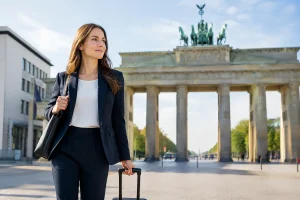
That is where local strategy matters. Berlin works well for innovation summits, leadership offsites, and international conferences with a cosmopolitan profile. Munich carries strong appeal for premium incentives, board meetings, and automotive or tech-related programs. Frankfurt is efficient for finance-driven meetings and international arrivals. Hamburg offers a polished waterfront setting that feels distinct without sacrificing business standards. Düsseldorf and Cologne are often ideal for trade show extensions, client entertainment, and compact regional programs with strong transport links.
The right choice depends on audience, objectives, budget sensitivity, and calendar pressure. A one-size-fits-all plan usually looks efficient on paper but feels generic in execution.
What strong business travel planning in Germany actually includes
At a senior level, business travel planning is not just flights and hotel rooms. It is the design of a friction-free experience that supports commercial goals. That may mean protecting executive time, keeping attendees engaged, reducing no-show risk, or aligning each component of the program with the brand standards of the host company.
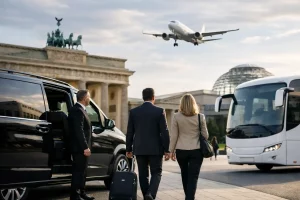
A well-built plan usually starts with the travel pattern itself. Are guests arriving individually from multiple US gateways, or as a hosted group from one region? Is the trip centered on one city, or does it combine meetings in several locations? Should the group travel by domestic air, high-speed rail, or private transfer? In Germany, rail is often a strong option, but not always. For short city-to-city travel with central station access, it can save time and reduce complexity. For VIP groups with tight schedules, private road transfers may offer more control.
Hotel sourcing is equally strategic. Premium inventory can tighten quickly around major fairs, congresses, and peak business dates. The most prestigious property may not be ideal if it complicates transfers or splits the group across multiple room categories. On the other hand, choosing purely on rate can undermine the guest experience, especially for client-facing events or senior leadership travel. The right hotel should support the pace, tone, and purpose of the program.
Venue selection follows the same logic. Germany offers everything from sleek conference centers and luxury hotels to castles, industrial heritage spaces, automotive venues, and private cultural settings. The venue should never be impressive at the expense of usability. Sightlines, access, load-in conditions, breakout flow, catering standards, and transportation windows matter just as much as aesthetics.
The planning variables that most often affect outcomes
The first is timing. Germany’s business and event calendar can shift pricing and availability fast. A city that looks cost-effective in one month may become heavily constrained during a trade fair. Lead time improves options, but even late-stage programs can work well when routed intelligently and built around realistic alternatives.
The second is geography. Germany is well connected, but planners still need to respect travel times. International teams sometimes underestimate how a multi-city itinerary affects energy and punctuality. Two cities may look close on a map, yet still create a taxing day when airport handling, transfers, security windows, and meeting start times are included.
The third is guest profile. A sales incentive group expects something very different from a board delegation or an association leadership team. Some groups want cultural depth and high-touch hospitality. Others want absolute efficiency, quiet luxury, and zero wasted motion. Good planning begins by deciding what the trip should feel like, not just where it should happen.
Balancing efficiency with premium experience
This is where many programs either become memorable or become forgettable. Germany can deliver both operational discipline and venues that will take your breath away, but only if the agenda is balanced properly.
An overpacked itinerary may signal value, yet it often reduces impact. Guests remember friction more than they remember quantity. If every hour is scheduled, transfers feel longer, meals feel rushed, and even excellent experiences lose their effect. By contrast, a tightly curated program with clear pacing usually performs better. One exceptional dinner venue, one well-executed cultural moment, and one smooth meeting day can create more value than a crowded schedule full of compromises.
There is also a budget trade-off to manage. Premium outcomes do not always require the most expensive solution, but they do require selective spending. It can be smarter to invest in a standout venue, reliable transportation management, and strong guest handling than to upgrade every line item evenly. High-class services are felt most clearly in the moments where guests are vulnerable to inconvenience.
How to reduce operational risk
Risk in business travel is rarely just about emergencies. More often, it appears as small failures that chip away at confidence. Delayed rooming lists, unclear arrival instructions, weak signage, unsuitable dinner timing, and inconsistent transport handling all affect how professionally a host company is perceived.
The strongest programs are built with redundancy and local oversight. That means verifying supplier commitments, monitoring citywide conditions, confirming staffing ratios, and planning workable contingencies. If a flight bank lands late, can the welcome procedure adapt? If rail disruptions affect a segment, is there a transfer alternative already mapped out? If a gala dinner runs long, can return transport flex without confusion?
This is why many international planners prefer a single-source partner rather than managing disconnected vendors across hotels, venues, guides, transportation, and guest administration. Central coordination reduces blind spots. It also improves accountability, especially when the program includes multiple touchpoints and high-value attendees.
For companies that want both polish and control, My German DMC provides that local structure with the precision expected in Germany and the hospitality standards international clients expect from a premium partner.
Business travel planning Germany for meetings, incentives, and executive groups
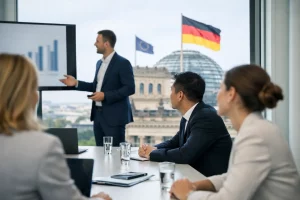
Different program types require different planning logic. Meetings and conferences need tight agenda management, strong technical coordination, and efficient attendee flow. Incentive travel needs emotional impact, destination storytelling, and a level of exclusivity that feels earned rather than staged. Executive travel requires discretion, speed, and absolute confidence in the details.
Germany performs well across all three, but the approach should change. A large conference in Berlin may prioritize airport accessibility, room block scale, production capability, and branded evening events. A leadership retreat in Bavaria may focus on privacy, scenery, and curated local experiences. A client entertainment program during a major trade fair may need fast decision-making, protected reservations, and transportation planning that works under pressure.
The common denominator is precision. When logistics are handled well, the destination has room to impress. When logistics are weak, even the best city and venue cannot compensate.
What sophisticated planners ask before they confirm
Experienced planners tend to ask better questions early. Not just, can this be booked, but should it be booked? Is the hotel truly aligned with the audience? Will this transfer plan still work during peak traffic? Does the venue support the event format operationally, not just visually? Are there hidden pressures in the city calendar that will affect service levels?
Those questions are valuable because they protect outcomes, not just budgets. They also reflect a shift in how business travel is evaluated. The standard is no longer simply arrival and accommodation. The standard is whether the trip feels controlled, polished, and worth the investment.
Germany rewards that level of planning. It is a destination where quality can be delivered consistently, but only when the program is built with local knowledge and disciplined execution from the start.
If your next trip matters to clients, leadership, or key internal stakeholders, treat the planning phase as part of the experience itself. The most successful programs in Germany do not happen by chance. They are designed that way.
nn
Looking for professional support? Explore our business travel Germany and get a personalised proposal for your next event in Germany.