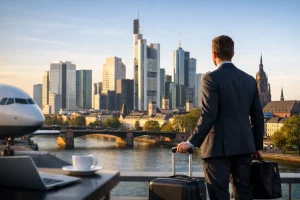
A boardroom in Frankfurt, a studio audience in Berlin, and executives joining from New York or Singapore can all be part of the same conversation. But that outcome is not achieved by placing a webcam at the back of the room. Hybrid meeting technology must be designed as part of the event experience, with the same attention given to venue selection, guest flow, speaker preparation, and hospitality.
For corporate meetings, conferences, and incentive programs, hybrid delivery creates valuable flexibility. It can extend the reach of an executive address, include specialists who cannot travel, and give international teams access to carefully curated content. It also raises the operational standard. Remote participants notice poor audio, unclear slides, delayed moderation, and an unresponsive virtual environment immediately. The technology needs to support the program, not become the program.
What Hybrid Meeting Technology Must Deliver
At its best, hybrid meeting technology gives every attendee a credible role in the event. In-person guests should feel the energy of a well-produced live gathering. Remote guests should be able to hear, see, contribute, and access key content without feeling like passive observers.
That requires more than a platform license. A dependable setup combines professional cameras, broadcast-quality audio, stage lighting, presentation management, a reliable internet connection, a virtual event environment, and a trained production team. Just as importantly, it requires a clear operating plan: who admits virtual attendees, who monitors questions, who cues speakers, and who can solve a technical issue without interrupting the session.
The required level of production depends on the event. A leadership town hall with 80 remote employees has different needs from a product launch streamed to clients in multiple markets. The right question is not, “What is the most advanced solution?” It is, “What level of interaction and production quality does this audience expect?”
Start With the Attendee Experience
The strongest hybrid events are planned around audience behavior before equipment is specified. Consider what each group must be able to do during the program. Do remote participants need to vote, ask questions, join breakout discussions, network, or simply watch a keynote? Will the in-room audience need to see remote panelists on large screens? Is content confidential enough to require access controls and moderated entry?
These decisions shape the technical design. A one-way livestream can be appropriate for a short corporate announcement. A meeting built around workshops, training, or decision-making needs a more interactive format, including moderated chat, polling, virtual breakout rooms, and dedicated support for online guests.
Remote attention is also more limited than attention in a live room. A full-day agenda that works for delegates at a conference hotel may not work for people joining through a screen. Shorter sessions, purposeful breaks, strong moderation, and content delivered in clear segments will usually produce better engagement. Hybrid does not mean duplicating the physical agenda online. It means creating two connected experiences with shared objectives.
Design Content for the Camera, Not Only the Room
A speaker can command a ballroom with movement, eye contact, and atmosphere. On camera, small details become more significant. Slides must be readable on a laptop screen, panelists need proper framing, and presenters need to know when they are speaking to the room versus speaking to remote attendees.
A professional show caller or producer is especially valuable when presentations, videos, remote speakers, live questions, and audience polling are involved. They keep the program moving while the moderator remains focused on the conversation. This separation of responsibilities protects the quality of the guest experience.
The Venue Is Part of the Technology Strategy
An impressive venue can elevate a corporate event, but distinctive spaces need careful technical assessment. Historic buildings, industrial locations, museums, rooftops, and waterside venues often create memorable settings, yet they may have limitations around power supply, ceiling height, acoustics, loading access, or fixed internet infrastructure.
Venue scouting for hybrid programs should therefore include a technical site inspection. Event planners should confirm dedicated bandwidth, upload speed, network redundancy, Wi-Fi capacity, cable routes, backstage space, and the location of control positions. A venue’s guest Wi-Fi is not a production-grade connection. For high-stakes broadcasts, a dedicated hardwired line and a backup connection are sensible safeguards.
Acoustics deserve equal attention. Guests can forgive a slightly imperfect camera angle more readily than they can tolerate muffled speech or room echo. In large halls, microphones, speaker placement, sound checks, and acoustic treatment can determine whether virtual participants remain engaged or log off.
Germany offers an exceptional range of venues, from modern convention centers to heritage properties and architectural landmarks. The opportunity is considerable, but every location should be matched to the event’s production requirements early in the planning process. A venue that will take your breath away should also support the reliability your delegates expect.
Build the Right Hybrid Event Team
Technology does not replace experienced event management. It adds specialized roles that must work closely with the meeting organizer, venue, presenters, and hospitality team.
For a polished hybrid program, the core team typically includes a technical producer, audiovisual crew, streaming operator, presentation manager, virtual-platform administrator, moderator, and attendee support staff. Smaller meetings may combine some of these responsibilities. Larger conferences should not. Asking one person to manage speaker slides, live video, online questions, and troubleshooting at the same time introduces unnecessary risk.
A clear run of show is essential. It should identify every cue, transition, video, speaker entrance, remote handover, audience interaction, and contingency action. Rehearsals are equally important, particularly for remote presenters. Testing a speaker’s camera, microphone, lighting, internet connection, and screen-sharing setup in advance prevents many avoidable delays.
Give Remote Guests a Named Point of Contact
Virtual attendees should not be left to navigate technical questions alone. A dedicated help channel, an easy joining guide, and an accessible support contact show the same consideration that an in-person guest receives at registration.
During the event, a virtual host can welcome attendees, explain interaction tools, flag upcoming sessions, and relay questions to the live moderator. This role creates continuity. It also makes remote participation feel intentional rather than secondary.
Balance Production Ambition With Budget
Hybrid formats can reduce travel for selected participants, but they do not automatically reduce total event costs. Professional cameras, audio systems, operators, platform management, dedicated connectivity, content capture, and rehearsal time all require investment.
The trade-off is often worthwhile when a program has global reach, senior remote speakers, or content that can be reused after the event. Recorded keynotes, interviews, and panel discussions can continue to serve internal communications or client engagement when planned with the right permissions and production standards.
Budget should be assigned according to business impact. Invest most heavily in the moments that matter most: executive messaging, client-facing sessions, sensitive discussions, and interactive workshops. A smaller breakout may need only a well-managed video call, while the opening plenary deserves a fully produced broadcast environment.
It is also wise to build contingency into the budget. Backup laptops, duplicate presentation files, spare microphones, alternate internet access, and standby support are not signs of overplanning. They are part of professional risk management.
Make Hybrid Hospitality Feel Personal
Premium events are remembered for how guests feel, not only for what they see on screen. In-person hospitality may include a carefully selected hotel, efficient transfers, memorable dining, and cultural programming. Remote hospitality requires a different approach, but it should still feel considered.
A personalized welcome, pre-event briefing, local delivery where appropriate, curated session materials, or access to post-event networking can strengthen the virtual experience. The choice depends on attendee location, budget, and the purpose of the gathering. What matters is consistency: remote guests should recognize that their participation has been planned with care.
For international groups meeting in Germany, local coordination is particularly valuable because technical production, venue operations, transportation, accommodation, and guest communications intersect. My German DMC brings these elements together with precise project management, ensuring that technology supports high-class services rather than competing with them.
Choose Technology That Serves the Meeting
The most successful hybrid events do not pursue technology for its own sake. They use it to create access, encourage contribution, and protect the quality of communication across locations. A refined format may be a studio-quality keynote followed by intimate regional discussions. Another may be a live conference with selected remote experts and a carefully moderated virtual audience.
The format should follow the objective, the audience, and the content. When those decisions are made early, the venue, production team, platform, and hospitality plan can be aligned with confidence.
A well-designed hybrid meeting gives every participant a reason to stay present. Begin with the outcome you want people to carry forward, then build the technical and human support needed to make that moment happen.