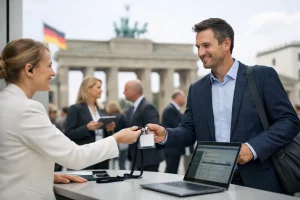
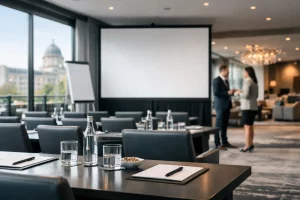
A gala dinner in a historic Berlin venue, an executive conference in Munich, or a product launch in Frankfurt can look effortless to guests. Behind that experience, however, are practical questions about access, guest movement, valuables, VIP arrivals, and emergency response. So, can DMCs arrange event security? Yes — a qualified destination management company can coordinate the right security solution as part of the wider event operation, working with suitable local providers and aligning every detail with the venue, program, and guest profile.
For international planners, this local coordination is particularly valuable. Security requirements in Germany are shaped by the event format, venue rules, local regulations, insurance conditions, and the responsibilities of licensed security providers. A DMC does not simply add guards to a schedule. It helps create a considered operational plan that protects people, assets, and the event experience without making a premium occasion feel overly controlled.
Can DMCs Arrange Event Security as Part of a Full-Service Program?
A full-service DMC can arrange security by identifying requirements early, sourcing experienced local partners, coordinating quotations and schedules, and integrating security into the event’s overall logistics. This is often more effective than treating security as a separate last-minute purchase. The security team needs to understand arrivals, transportation movements, venue access points, registration procedures, production timing, catering deliveries, and any off-site program elements.
The exact scope depends on the event. A private board meeting in a five-star hotel may require discreet access management and executive transport coordination. A large convention may need credential checks, bag policies, backstage control, overnight asset protection, and clearly defined incident procedures. A high-profile guest appearance could call for a more detailed assessment involving venue management, professional security personnel, and, where appropriate, relevant public authorities.
The DMC’s role is to bring these moving parts together. It acts as the local project lead for the client’s requirements, while security professionals retain responsibility for the specialist services they provide. This distinction matters. Security should always be delivered by properly qualified, insured providers operating within German legal and venue-specific requirements.
Why Local Coordination Makes a Material Difference
International event teams can encounter challenges that are not visible during initial venue research. A beautiful industrial location may have limited entrance capacity. A landmark venue may impose strict loading times, visitor rules, or restrictions on equipment. A hotel ballroom may be ideal for a dinner but less suitable for a guest list requiring enhanced screening or controlled press access.
A German DMC can assess these practical realities before they affect the guest experience. Its local knowledge helps determine whether security should be positioned at an entrance, loading dock, registration desk, backstage area, parking area, or transfer point. It also helps avoid unnecessary staffing. Over-specifying security can create an unwelcoming atmosphere and spend budget where it adds little value. Under-specifying it can leave gaps in access control, crowd management, or emergency coordination.
This is where careful planning supports both hospitality and risk management. The best security presence is often calm, polished, and almost invisible to legitimate guests. Staff should know who is expected, where they need to go, and whom to contact if plans change. That level of preparedness helps protect the event’s tone as much as its operations.
What Event Security May Cover
Security is not one standard service. A tailored plan may include guest and vehicle access control, badge or invitation verification, monitoring of restricted areas, event-floor patrols, overnight protection for equipment, and coordination around VIP movements. For conferences and exhibitions, it may also include loading-dock management and protection of technical equipment before doors open.
Crowd management deserves particular attention for events with large guest volumes, public-facing elements, or alcohol service. Security teams can support orderly entry, help maintain clear exits, respond to disruptions, and coordinate with the venue’s emergency procedures. The goal is not to make guests feel watched. It is to ensure that the program can continue with confidence if an unexpected situation arises.
Transportation is another area where planning matters. Executive transfers, airport welcomes, and group movements may require secure pickup points, timed vehicle access, discreet meet-and-greet staff, or route planning around major city events. In cities such as Berlin, Hamburg, Munich, and Cologne, traffic conditions, demonstrations, trade fairs, and road closures can alter an otherwise straightforward itinerary. A local DMC can align transport and security teams so guests are not left waiting or exposed to confusion at busy arrival points.
Start With Risk, Not With Headcount
The most effective security planning begins with a proportionate risk review. The event organizer and DMC should consider the guest profile, expected attendance, public visibility, venue layout, timing, valuable equipment, alcohol service, and any political, social, or commercial sensitivities. A leadership summit with confidential discussions needs a different approach than an employee incentive dinner. A public product reveal requires different controls than a closed-door sales meeting.
There is no benefit in applying the same security model to every event. The right question is not, “How many guards do we need?” It is, “What needs to be protected, what could reasonably disrupt the program, and how can we manage that professionally?”
This conversation should happen early, ideally during venue selection and program design. If security becomes a consideration only after invitations are sent, options can narrow quickly. Early planning allows the team to select entrances, establish accreditation processes, reserve appropriate staffing, and build security instructions into attendee communications where necessary.
The Importance of Clear Roles and Communication
A polished security operation relies on a clear chain of communication. The client should know who approves key decisions. The venue should understand its responsibilities for building safety and emergency arrangements. The DMC should coordinate the event schedule and supplier communication. The security provider should have accurate briefings, escalation contacts, and a precise understanding of what it is being asked to manage.
A written event security brief is useful even for relatively small corporate programs. It can document the event timeline, guest access arrangements, restricted zones, VIP protocols, emergency contacts, medical provisions, delivery schedules, and procedures for lost credentials or disruptive behavior. It should also identify who can authorize changes on site.
For multinational groups, language is a practical consideration. Security staff may need to communicate with German venue teams, local drivers, production crews, and English-speaking guests. A DMC can help ensure that briefings are understood across every operational team, reducing the risk that a simple instruction is lost between suppliers.
Security Must Support the Guest Experience
Premium events depend on reassurance, not friction. Guests should not face confusing entry points, inconsistent instructions, or a visibly stressed event team. Good security planning makes the arrival process feel organized and welcoming, even when access needs to be carefully controlled.
That may mean using a separate VIP arrival route, integrating credential checks into an elegant registration desk, scheduling deliveries outside guest hours, or placing security staff where they can assist rather than obstruct. For an incentive group, it may mean discreet coverage at a private venue while attendees enjoy an evening that feels relaxed and exclusive. For a conference, it may mean clear signage, well-managed queues, and calm support when hundreds of delegates arrive within a short period.
The operational standard should match the occasion. Security is part of the event environment, and it should reflect the same professionalism as the venue, catering, transportation, and guest service.
When to Involve Additional Specialists
Some programs require expertise beyond standard event security coordination. Events involving prominent public figures, sensitive corporate information, large public attendance, significant protest risk, or complex medical considerations may need specialized advice and closer coordination with authorities. In these cases, the DMC can support the planning process by connecting the right parties, but specialist providers and public agencies must lead within their respective areas of responsibility.
Likewise, event organizers should consider data privacy when registration lists, guest details, and VIP itineraries are shared. Only the information necessary for access control and event operations should be provided, and it should be handled through agreed processes. Discretion is not merely a courtesy in corporate hospitality. It is a core operational requirement.
At My German DMC, event security coordination can be integrated into a wider program that includes venue selection, attendee administration, transportation, production, and high-class hospitality. The advantage is one local partner with a complete view of the itinerary, able to align suppliers and anticipate pressure points before guests arrive.
When your next event in Germany calls for both memorable impact and disciplined preparation, raise the security conversation at the first planning meeting. The right local coordination gives your guests the confidence to focus on the experience, while your team retains control of the details that make flawless execution possible.