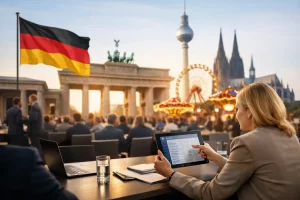
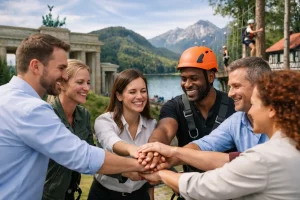
When buyers ask for corporate incentive ideas Germany can deliver at a premium level, they are rarely looking for another standard group dinner and city tour. They want a program that feels rewarding, reflects their brand, and runs with absolute precision. Germany stands out because it combines polished infrastructure, strong service culture, and a wide range of destinations that can feel cosmopolitan, historic, creative, or quietly exclusive depending on the brief.
That mix matters. An incentive trip has two jobs at once. It needs to motivate performance, and it needs to make participants feel genuinely valued. In Germany, those goals are easier to align because the country offers exceptional venues, dependable logistics, and experiences that can be shaped for senior leadership groups, sales achievers, channel partners, or international teams.
What makes corporate incentive ideas in Germany work
The strongest incentive programs are not built around isolated activities. They are designed around a clear reward narrative. For one client, that may mean access, privacy, and Michelin-level dining. For another, it may mean energy, team connection, and a destination with strong cultural character.
Germany is especially effective because each major region offers a distinct tone. Berlin brings creative edge, hidden venues, and a modern business atmosphere. Munich delivers polished luxury, Bavarian hospitality, and elegant evening formats. Hamburg feels maritime and sophisticated, with impressive waterside settings and strong gala potential. The Rhine region adds castles, vineyards, and scenic exclusivity that work beautifully for relationship-driven programs.
The practical side is just as valuable. Flight access is strong, rail connections are reliable, hotels meet international corporate expectations, and supplier quality is consistently high. For incentive buyers, that reduces operational risk without making the experience feel generic.
12 corporate incentive ideas Germany buyers should consider
1. Private castle dinner in the Rhine Valley
If the objective is prestige, few formats land as well as an exclusive evening in a castle setting. The Rhine Valley offers dramatic scenery, heritage appeal, and a sense of occasion that photographs beautifully and feels unmistakably special. Guests can arrive by coach or river transfer, enjoy a private reception, and move into a refined dinner with local wines and tailored entertainment.
This works particularly well for top performers and VIP guests. The trade-off is that heritage venues often come with tighter timing windows and production restrictions, so experienced planning is essential.
2. Automotive performance experience near Stuttgart or Munich
Germany’s automotive reputation creates a natural platform for high-energy incentives. A track-based driving experience, a private brand immersion, or a curated mobility-themed program can feel premium without being repetitive. For audiences that respond to performance, engineering, and prestige, this is an easy fit.
It is not ideal for every group. Mixed audiences may need a softer layer around the core concept, such as gourmet dining, scenic touring, or parallel wellness options.
3. Berlin rooftop evening with contemporary culture
Berlin is useful when the brief calls for something current rather than traditional. A private rooftop reception, access to a striking architectural venue, and a cultural layer such as street art, design, or music can create a very modern reward format. It signals relevance and confidence.
This approach suits tech firms, creative industries, and younger leadership groups particularly well. The key is curation. Berlin can feel extraordinary or unfocused depending on venue selection and guest flow.
4. Alpine luxury retreat from Munich
For companies that want to reward rather than impress through spectacle alone, an alpine program outside Munich is a strong option. Think mountain views, luxury resorts, spa time, private dining, and curated outdoor experiences with a high-class service standard throughout.
This format works best when the group values time, comfort, and atmosphere. It is less about constant activity and more about controlled exclusivity.
5. Private river cruise in Hamburg
Hamburg offers one of the most elegant urban water settings in Europe. A private harbor or river cruise can be positioned as a welcome event, a networking evening, or a closing celebration. When paired with a strong catering concept and carefully timed city views, it creates impact without complicated movement.
Weather planning matters here. The best versions include a refined indoor option and a clear contingency setup rather than hoping for ideal conditions.
6. Bavarian brewery and gourmet pairing experience
Not every incentive needs a black-tie tone. A premium brewery experience with private access, brewing insight, and elevated food pairings can feel authentic, social, and distinctly German while still meeting executive expectations. Done well, it avoids cliché and becomes a memorable local highlight.
The difference is in the standard of execution. Venue quality, transportation, presentation, and guest pacing determine whether it feels polished or touristy.
7. Christmas market incentive with VIP access
For year-end recognition, Germany’s Christmas market atmosphere is hard to match. The strongest formats go beyond public browsing and create VIP layers such as private chalets, curated tastings, seasonal workshops, and premium transfers between venues and hotels. This can work beautifully for employee rewards and client hospitality.
Because demand is high, early sourcing is non-negotiable. Hotels, dining space, and transport capacity tighten quickly in peak dates.
8. Exclusive museum or landmark buyout
A private dinner or reception in a museum, historic hall, or landmark venue gives an incentive program real distinction. Germany’s major cities offer an impressive range of spaces that can be adapted for brand-forward guest experiences without sacrificing elegance.
This is especially effective when companies want the reward to carry status and storytelling at the same time. Production access, setup timing, and technical limitations need close management.
9. Wine estate program in a lesser-known region
Clients often ask for something that feels exclusive without being overexposed. A private program at a top-quality wine estate can achieve exactly that. Tastings, chef-led dining, scenic transfers, and overnight stays create an incentive that feels relaxed but highly curated.
This suits senior groups and client entertainment very well. It is less effective if the audience expects high-adrenaline activity.
10. Culinary challenge with an executive finish
For teams that need interaction, a culinary challenge can work better than standard team-building formats. In Germany, this can be elevated with chef-hosted kitchens, market-inspired concepts, private judging panels, and a final plated dinner. The result feels collaborative rather than childish.
That distinction matters. Incentive guests are not looking for forced participation. The experience should be optional in tone, elegant in delivery, and rewarding even for quieter personalities.
11. Scenic rail journey with luxury touches
Germany’s rail network allows planners to create incentive movement that feels smooth instead of tiring. A scenic route combined with premium station handling, private transfers, and destination experiences can turn travel time into part of the reward. This works especially well for multi-city programs where guests want variety without airport fatigue.
The planning must be exact. Rail can be efficient, but group handling, luggage logistics, and timing need disciplined coordination.
12. CSR-led incentive with premium hospitality
Some clients want recognition programs to include purpose, not just luxury. A well-designed CSR element can work in Germany if it is meaningful, brief, and integrated into a broader premium itinerary. That might mean a sustainability-focused workshop, urban impact project, or conservation-related activity paired with high-end accommodation and dining.
The balance is important. If the program feels preachy or too operational, it stops feeling like an incentive. If handled well, it adds depth without losing the reward factor.
How to choose the right incentive format
The best corporate incentive ideas Germany offers will depend on who the audience is and what behavior the company is rewarding. High-performing sales teams often respond to energy, status, and visible access. Executive groups may care more about privacy, discretion, and quality of conversation. International channel partners may need a program that mixes hospitality with relationship-building opportunities.
Budget also shapes the right answer, but not always in the obvious way. A smaller group with exclusive access can create more impact than a larger program spread too thin. Likewise, adding one standout moment, such as a breathtaking venue or private cultural opening, often delivers more value than filling every hour with activity.
Season matters as well. Summer supports lake, river, rooftop, and countryside formats. Winter opens the door to festive markets, atmospheric indoor venues, and alpine settings. Shoulder seasons can be ideal for availability and value, especially in major cities.
Why execution matters as much as the idea
An incentive concept is only as strong as its delivery. A beautiful venue loses value if arrival is slow, if rooming is confused, or if dinner timing slips. Premium guests notice details quickly. They also remember when those details are handled perfectly.
That is why program design in Germany should never be separated from logistics. The strongest results come from combining destination knowledge, supplier leverage, and meticulous attendee management from the first proposal onward. A polished incentive does not feel overmanaged, but it absolutely is.
For international planners, this is often where a local DMC creates the most value. The right partner can shape the experience around the brief, protect service quality, and secure venues and moments that would be difficult to access from abroad. My German DMC is built around that exact model, combining bespoke program design with precise delivery across Germany’s key destinations.
If you are planning an incentive in Germany, start with the outcome you want guests to feel, not just the activities you want to book. The right program should reward performance in a way that feels effortless to attendees and exact behind the scenes — and that is where Germany truly excels.