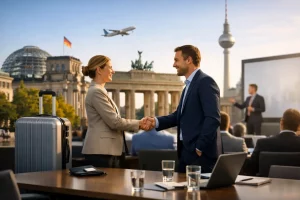
A top-performing team lands in Munich, checks into a grand hotel, spends the afternoon driving performance cars on a private track, and ends the evening in a historic venue reserved just for them. The next day runs on time, every transfer is covered, every dietary request is handled, and the experience feels effortless to the guest. That is what incentive travel Germany should deliver — not just a reward, but a well-managed business experience with real emotional impact.
Germany is often chosen for practical reasons first. It is easy to reach, infrastructure is excellent, and service standards are high. For corporate planners, those advantages matter. But the real strength of Germany as an incentive destination is the combination of precision and character. You can move from a Michelin-level dinner in Berlin to a private castle event on the Rhine, from automotive heritage in Stuttgart to Alpine luxury in Bavaria, without compromising on logistics.
Why incentive travel Germany works so well
For incentive buyers, Germany answers two needs at once. It offers the polished hospitality expected from a premium program, and it reduces operational risk. International airports, reliable rail connections, strong hotel inventory, and experienced event suppliers create a planning environment that supports complex group movements and tightly timed schedules.
That said, efficiency alone does not create a memorable incentive. The destination also needs personality. Germany has that in abundance, but it presents itself differently than Southern Europe or island destinations. It is less about passive leisure and more about curated experiences with substance — architecture, engineering, culinary craft, music, design, history, winter sports, wine culture, and contemporary urban energy. For many companies, that makes the program feel more distinctive and more aligned with a high-value brand.
There is also a strategic advantage. Germany works equally well for employee rewards, channel partner programs, executive retreats, and client entertainment. A single destination can support a formal board-level agenda, a relaxed team celebration, or a multi-day incentive with gala elements and branded experiences. That flexibility is valuable when your attendee profile is mixed.
The best cities for incentive travel Germany programs
The right city depends on the behavior you want to reward, the message you want to send, and the level of exclusivity your guests expect.
Munich for prestige and polished hospitality
Munich is one of the strongest choices for premium incentive groups. It combines five-star hotels, elegant dining, automotive experiences, and easy access to the Bavarian Alps. For international guests, it feels unmistakably German while still delivering a refined, international standard of service.
Munich is especially effective when the goal is status and reward. Think private brewery experiences done at a high level, mountain excursions with luxury touches, exclusive museum openings, or evening events in heritage venues that feel both grand and intimate. It is not always the lowest-cost option, but for executive groups and top achievers, it often justifies the spend.
Berlin for creativity and edge
Berlin suits brands that want a more contemporary tone. It offers striking contrasts — historic landmarks, modern architecture, rooftop venues, industrial spaces, and a cultural scene that feels current rather than ceremonial.
For incentive groups, Berlin works well when the objective is to energize and surprise. A program here can include high-design hotels, private art access, culinary neighborhoods, and events in venues that feel less traditional than classic luxury properties. The trade-off is that Berlin requires careful curation. Its appeal is breadth and originality, but not every guest will connect with its more informal character in the same way they would with Munich or Hamburg.
Hamburg for understated luxury
Hamburg is frequently overlooked, which is part of its value. The city offers waterfront elegance, strong international hotel brands, excellent restaurants, and a calm, premium atmosphere that appeals to senior groups and client-facing events.
Incentives in Hamburg often feel more exclusive because they are less expected. Private harbor cruises, architectural tours, gala dinners near the Elbe, and backstage cultural experiences all work well here. It is ideal for companies that want sophistication without too much flash.
Frankfurt and the Rhine for access and classic grandeur
Frankfurt is sometimes seen only as a business gateway, but that misses the wider regional opportunity. The city provides superb air access and conference infrastructure, while the surrounding Rhine and Rheingau areas introduce castles, vineyards, river landscapes, and high-class off-site venues.
This combination is useful when an incentive includes business content. Guests can arrive easily, move through meetings efficiently, and then shift into a more emotional reward setting outside the city. It is a practical choice with strong visual payoff.
What makes an incentive program feel premium
A premium incentive is rarely defined by budget alone. What guests remember most is the level of personalization, the pacing of the experience, and the sense that access has been carefully designed for them.
That starts with the arrival. Smooth airport handling, executive transfers, fast check-in, and a program rhythm that respects travel fatigue immediately set the tone. Once the group is on site, premium quality comes from thoughtful contrasts. A high-energy team activity feels stronger when balanced by private dining. A formal gala becomes more memorable when followed by a relaxed local experience the next morning.
Venue choice matters as much as activity design. Germany offers outstanding options here, from castles and automotive spaces to contemporary event lofts, lakeside properties, industrial heritage sites, and historic halls that will take your breath away. The key is fit. A global technology brand may benefit from a forward-looking venue in Berlin, while a financial services group may respond better to classic elegance in Munich or the Rhine Valley.
Food and beverage also deserve more attention than many planners initially give them. Germany is far more versatile than its stereotypes suggest. Fine dining, regional tasting menus, vineyard lunches, private chef formats, and modern reinterpretations of local cuisine can all elevate the experience. If the culinary concept feels generic, the entire incentive can lose impact, even when the venue is exceptional.
Planning incentive travel Germany without operational risk
The stronger the guest experience, the more important the invisible planning becomes. Incentive travel is emotionally visible but operationally unforgiving. Missed transfers, weak communication, or a venue mismatch can undercut months of internal positioning.
This is where local execution makes a measurable difference. Germany is highly organized, but that does not mean it is simple. Venue restrictions, permit requirements, traffic patterns, seasonal pricing, multilingual staffing, and supplier coordination all influence the final result. A beautiful concept needs disciplined production behind it.
For corporate planners and agencies, the most effective approach is usually a consultative one rather than buying a standard package. The destination, dates, attendee profile, and program goals should shape the design. A sales incentive for 40 top performers needs a different rhythm than a channel partner event for 200 guests. The first may prioritize exclusivity and access. The second may need scale, brand moments, and a stronger hospitality operation.
An experienced destination partner helps align these pieces early — city selection, hotel sourcing, venue scouting, transportation logic, guest communications, and contingency planning. That reduces friction internally and improves the attendee experience externally. For many international organizers, it also shortens decision time because local realities are built into the proposal from the start.
When Germany is the right choice — and when it depends
Germany is an excellent fit when you need reliable infrastructure, premium hotels, memorable venues, and a destination that supports both formal and experiential programming. It is especially strong for audiences that appreciate quality, precision, and substance.
It may be less suitable if your core objective is nonstop beach leisure or a very informal resort atmosphere. Germany can certainly deliver relaxation and luxury, particularly in Bavaria or lake regions, but its strongest incentive appeal comes from structured experiences with cultural depth and polished service.
Season also matters. Christmas market programs can be exceptional, with real atmosphere and strong hospitality value, but winter weather requires tighter transport planning and realistic outdoor expectations. Summer opens more possibilities for river events, rooftop receptions, and countryside activities, though popular dates need to be secured early.
For organizations that want a destination capable of impressing guests while staying under control operationally, Germany remains one of the smartest choices in Europe. With the right concept and the right local management, it delivers more than a reward trip. It creates a business experience people talk about long after the final dinner.
If you are evaluating incentive travel in Germany, the most productive next step is not choosing a hotel first. It is defining the outcome you want guests to feel, remember, and say afterward — then building the destination, venue, and program around that standard.