A destination decision becomes visible long before the opening keynote. It shapes how guests arrive, where conversations continue after the agenda, how far the budget reaches, and what attendees remember when they return home. When weighing Berlin versus Munich for conferences, the better choice is not simply Germany’s capital against its most polished business city. It is the city that best supports your event objectives, audience profile, and required level of operational control.
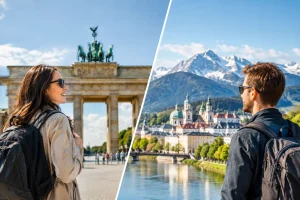
Berlin delivers scale, energy, creative range, and a distinctly international atmosphere. Munich offers refined hospitality, strong corporate infrastructure, Alpine access, and a highly efficient guest experience. Both are leading MICE destinations. The difference lies in the kind of conference you intend to create.
Berlin versus Munich for conferences: the strategic choice
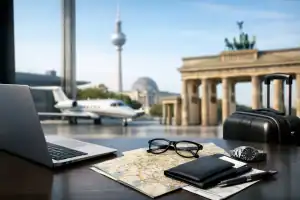
Berlin is often the stronger fit for organizations that want their conference to feel progressive, culturally charged, and connected to innovation. The city has a deep pool of technology, media, startup, public-sector, and academic communities. Its neighborhoods each bring a different personality, from the architectural drama of Mitte to the industrial character of Kreuzberg and the waterfront settings around the Spree.
Munich is particularly compelling when brand perception, executive comfort, and premium consistency are priorities. It is home to global corporations across automotive, engineering, insurance, finance, technology, and life sciences. The city feels orderly and prosperous without becoming impersonal, which makes it especially effective for leadership meetings, client conferences, product launches, and high-value incentive extensions.
The decision should begin with a clear question: should the destination add creative momentum and urban contrast, or should it reinforce confidence, quality, and established corporate stature? Neither answer is automatically better. A fast-growing technology company may find Berlin’s edge perfectly aligned with its message, while a global financial firm may prefer Munich’s composed, high-class setting.
Venue character and conference capacity
Berlin has exceptional venue diversity. Major convention facilities can support large congresses and exhibitions, while former industrial sites, museums, studios, rooftops, and historic buildings create distinctive settings for receptions, gala dinners, and breakout programs. This variety gives planners real freedom, particularly when an event needs more than a standard conference center format.
That flexibility also requires careful selection. Berlin is geographically expansive, and an impressive venue is not necessarily the right venue if it complicates transfers, fragments the guest journey, or limits access to suitable nearby hotels. A well-designed Berlin conference program depends on aligning the main venue, accommodation clusters, evening locations, and transportation plan from the outset.
Munich offers a more concentrated premium meeting environment. Its large exhibition and congress facilities are highly capable, and the city also provides elegant hotels, historic residences, contemporary event spaces, breweries, and locations near lakes and mountains. Venue standards are consistently high, making Munich a reliable choice when the agenda calls for polished production and predictable service delivery.
For conferences requiring a dramatic sense of place, Berlin may provide more unconventional options. For executive audiences who expect understated sophistication and short, well-managed transitions, Munich frequently has the advantage.
Consider the event beyond the plenary room
The main conference room is only one part of the experience. Berlin can turn an evening event into a cultural statement, whether through contemporary art, architecture, music, or neighborhood dining concepts. It is ideal for groups that appreciate discovery and a city program with genuine contrast.
Munich is exceptionally strong at premium social programming. A private dinner in a historic setting, a sophisticated Bavarian evening, a lakefront reception, or an Alpine-inspired day program can feel generous and highly curated without being overly formal. The destination is particularly effective when international guests want an authentic German experience delivered with comfort and precision.
Access, transfers, and attendee convenience
Both cities are well connected internationally, but logistics look different on the ground. Berlin Brandenburg Airport serves extensive European routes and a growing range of long-haul connections. Its rail links are useful, but travel times within Berlin can be substantial. For larger programs, transportation planning is a central component of attendee satisfaction rather than an administrative detail.
Berlin rewards organizers who build a realistic flow into the program. Hotel blocks should be chosen with the conference venue and evening events in mind, not solely by room rate or hotel category. Clear arrival communications, dedicated transfer coordination, and knowledgeable on-site staff help prevent the city’s size from becoming a point of friction.
Munich Airport has an excellent reputation for efficiency and offers strong international connectivity. The city center is straightforward to reach, and many conference hotels, business districts, and event venues can be organized within manageable transfer windows. During major trade fairs, however, airport, hotel, and road capacity require early attention.
For a senior audience arriving from multiple countries and working to a tight schedule, Munich’s compact feel can reduce logistical pressure. For a younger, more exploratory group, Berlin’s broader urban footprint may be part of the appeal, provided the program is structured around it.
Budget realities and booking windows
Berlin is often perceived as the more economical conference destination, but that assumption needs testing. It can offer excellent value across accommodation, dining, and alternative venues, especially for groups willing to use emerging neighborhoods or travel outside peak demand. Yet Berlin’s popularity means that prime hotels, major event spaces, and premium production services can command significant rates during high-demand periods.
Munich generally sits at a higher price point, particularly during international trade fairs, Oktoberfest, and key business periods. Premium hotels and central venues can be difficult to secure at short notice. In return, planners often gain consistency, service quality, and a guest experience that supports a higher-end positioning.
The most useful comparison is not venue rental alone. Evaluate the full program cost: room blocks, food and beverage, airport and city transfers, production, staffing, off-site events, and contingency planning. A lower venue fee can lose its advantage if attendees spend excessive time in transit or if multiple satellite locations require complex transportation.
Early sourcing is valuable in both cities. It gives organizers more negotiating room, protects preferred dates, and allows the event concept to be built around the best available properties rather than adapted to last-minute compromises.
Matching each city to your audience
Berlin is a strong choice for international associations, technology conferences, creative industries, academic gatherings, and organizations seeking a less conventional environment. It attracts attendees who value cultural depth, independent dining, contemporary ideas, and the freedom to shape their own time outside the formal agenda.
Munich is particularly well suited to board-level meetings, corporate conventions, automotive and engineering events, pharmaceutical and financial audiences, and premium client hospitality. It works well when the event must communicate stability, excellence, and care at every touchpoint. It is also an outstanding base for incentive programs that combine city elegance with Bavaria’s countryside, lakes, and mountain scenery.
Seasonality matters. Berlin is appealing year-round, although outdoor concepts are at their best from late spring through early fall. Munich has strong year-round appeal as well, but the choice of date should account for major citywide events and the intended use of outdoor or Alpine experiences. Winter can be particularly rewarding for intimate executive programs, while summer supports lakeside and countryside extensions.
Build the conference around the destination, not against it
The strongest programs use each city for what it does best. In Berlin, that may mean a focused central conference hub paired with curated cultural experiences that reveal the city without exhausting guests. In Munich, it may mean a refined meeting environment, impeccable hospitality, and a memorable Bavarian element that feels exclusive rather than formulaic.
A local DMC partner can protect the details that are easy to underestimate during early planning: realistic transfer times, supplier availability, neighborhood dynamics, access restrictions, rooming patterns, and the operational rhythm of a citywide event calendar. My German DMC develops these elements into one coordinated plan, from venue scouting and hotel sourcing to attendee management, transportation, and experiences that give the conference a genuine sense of place.
Choose Berlin when the event needs energy, variety, and a forward-looking edge. Choose Munich when it calls for premium precision, executive ease, and elevated hospitality. Then give the destination enough room in the program to do what it was selected to do: make every arrival, meeting, and shared experience feel intentionally designed.